 +91-8727000867
 +64 22 003 5555


A strong SEO strategy in 2026 is built around search intent, technical health, useful content, CTR, Core Web Vitals, internal links, structured data, GEO readiness, and conversion tracking. Visibility matters, but the stronger goal is qualified organic traffic that turns into leads or sales.
Highlights
- Search Console pages with high impressions and low CTR should be refreshed first because they already have search demand.
- Core Web Vitals, mobile UX, and crawl health support both traditional SEO and AI-led discovery.
- GEO readiness depends on clear entities, direct answers, structured data, current content, and useful internal links.

Co-Founder
Vandana Abrol 
An enthusiastic developer and skilled business management expert with over a decade of experience in the field
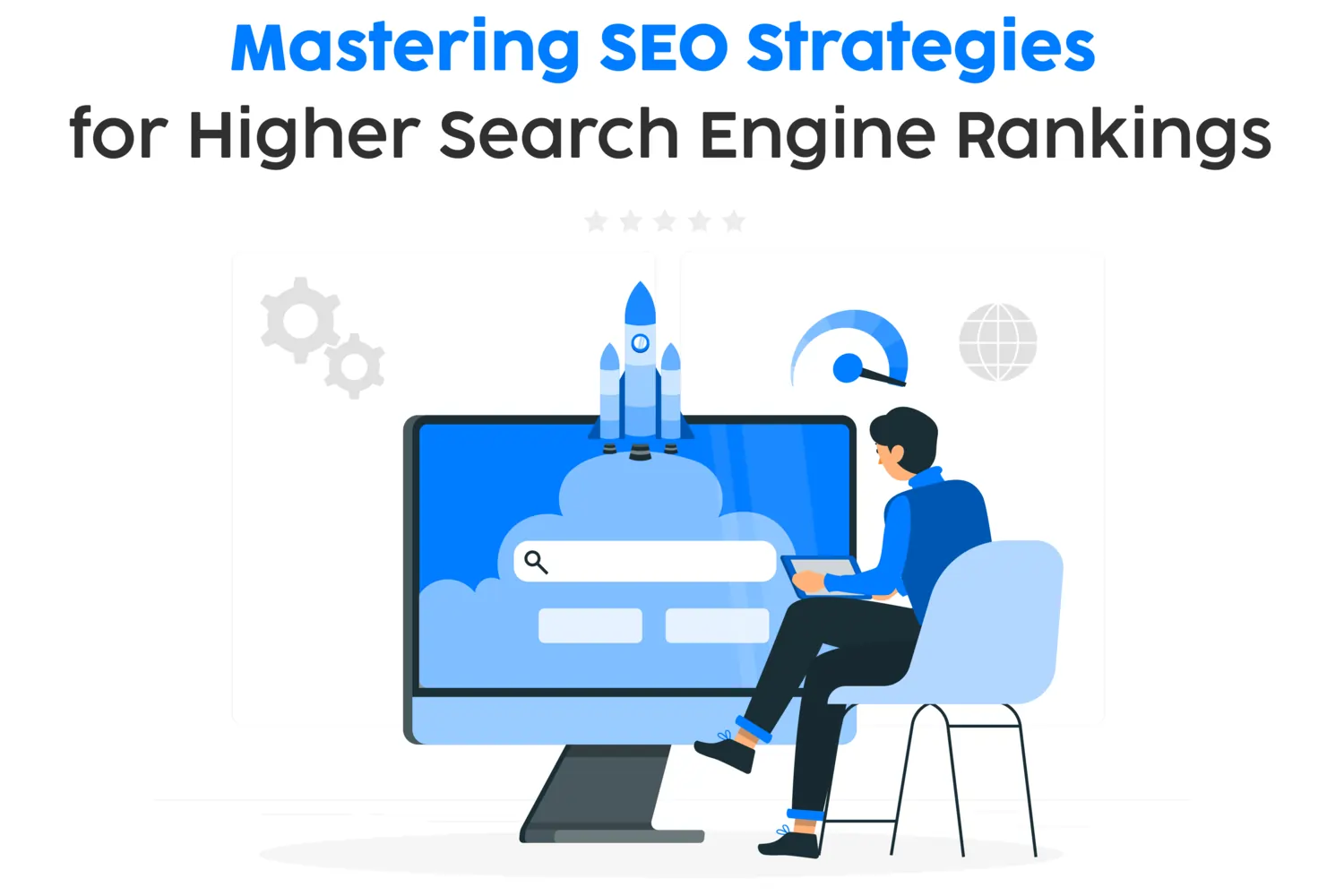
SEO in 2026 is no longer only about keywords and backlinks. Businesses need pages that answer real questions, load quickly, earn clicks from Google results, support AI-led discovery, and convert visitors into enquiries. This guide explains how to use Search Console data, content quality, technical SEO, GEO, and page experience together.
For voice search and AI-led discovery, connect this guide with Digittrix's 2026 voice search optimization guide.
Understanding SEO Fundamentals
Before working on advanced tactics, start with the basics: clean indexing, useful page titles, crawlable content, fast mobile pages, internal links, schema, and clear answers for the target query. Search engines and AI-led systems need to understand what each page is about, who it serves, and why it is useful.
Key SEO Strategies for Organic Visibility
Keyword Research and Optimization
Begin by conducting thorough keyword research to identify relevant keywords and phrases your target audience is likely to use in search queries. Integrate these keywords strategically into your website's content, meta tags, titles, and URLs to enhance its visibility for specific search queries.
High-Quality Content Creation
Content quality still matters, but quality now means more than length. A useful SEO page should answer the search intent, include current information, show proof or examples, link to related resources, use clear headings, and make the next action easy for the reader.
Optimize On-Page Elements
Pay attention to on-page elements such as title tags, meta descriptions, headers, and image alt text. Optimize these elements with targeted keywords to improve your website's relevance and visibility in search results.
Mobile Optimization
With the increasing prevalence of mobile browsing, optimizing your website for mobile devices is paramount. Ensure your site is mobile-responsive, loads quickly, and offers a seamless user experience across various devices and screen sizes.
Ethical Mentions and Links
Earn relevant backlinks and mentions from trustworthy websites in your industry. Focus on useful resources, original insights, partnerships, case studies, digital PR, and content that deserves to be cited instead of chasing low-quality links.
Monitor and Analyze Performance
Monitor SEO performance with Google Analytics, Google Search Console, rank tracking, and conversion reports. Review clicks, impressions, CTR, average position, indexed pages, Core Web Vitals, enquiries, and assisted conversions before deciding what to update next.
2026 SEO Strategy Checklist for GEO, CTR and Search Console
A strong SEO plan should be driven by page-level data. Instead of updating every page at once, start with URLs that already have impressions, clicks, or conversions and improve the elements that can move clicks and leads fastest.
Quick answer: Improve SEO performance in 2026 by fixing indexability, titles, meta descriptions, content depth, internal links, schema, Core Web Vitals, GEO readiness, and conversion paths using Search Console and analytics data.
What to fix first in Google Search Console
- High impressions, low CTR: Rewrite title tags and meta descriptions so they match the query intent and offer a clearer reason to click.
- Average position 4-15: Improve content depth, internal links, schema, FAQs, media, examples, and freshness.
- Indexed but low value: Consolidate thin or overlapping content and point users to the stronger page.
- Not indexed: Check crawlability, canonicals, redirects, sitemap inclusion, robots rules, and page quality.
- Core Web Vitals issues: Review LCP, INP, CLS, image sizes, JavaScript load, font loading, caching, and mobile layout stability.
GEO and AI search readiness
For AI-led discovery, content should include clear definitions, concise answers, visible dates, relevant entities, proof points, FAQs, schema, author or brand context, and internal links to related service or guide pages. This helps Google and answer engines understand the page more confidently.
Measure business impact, not positions alone
Track impressions, clicks, CTR, average position, enquiries, assisted conversions, call clicks, form submissions, revenue, and page-level lead quality. An average-position improvement is useful only when it supports better visibility, better clicks, and better business outcomes.
For deeper planning, connect this guide with SEO trends 2026, AI search optimization, SEO marketing strategy, and digital marketing and GEO services.
Using SEO, GEO and Digital Marketing Together
SEO works best when it is connected with GEO, content planning, technical fixes, analytics, and conversion strategy. Businesses should prioritize pages that already show impressions in Search Console, then improve titles, meta descriptions, content depth, internal links, schema, page speed, and conversion paths.
When to Get SEO and GEO Support
SEO and GEO support is useful when visibility is dropping, CTR is falling, pages are not indexed, Core Web Vitals are weak, content is outdated, or the website is not turning organic traffic into enquiries. A focused plan should begin with data from Search Console, analytics, and a technical crawl.
SEO and GEO Action Plan
To improve SEO results, review the pages that already have search demand first. Fix titles, descriptions, H1s, content gaps, redirects, canonicals, schema, internal links, speed, and conversion actions so the website can earn stronger clicks and better leads.
Mastering SEO in 2026 requires a repeatable process: measure, prioritize, update, test, and monitor. Use Search Console and analytics to find the right pages, improve content and technical quality, prepare for GEO and AI search, and track whether organic traffic is creating business value.
Transform education with AI! Discover how Digittrix leverages ChatGPT API to enhance learning experiences!
Build SEO-Friendly Websites and Apps with Digittrix
SEO-friendly websites and apps need fast loading, crawlable public pages, structured metadata, clean URLs, schema, accessible content, mobile UX, analytics, and conversion tracking. These decisions should be included during website or app planning, not added only after launch.
If your website has falling CTR, weak Core Web Vitals, indexing issues, or outdated content, start with a focused SEO/GEO audit and a page-by-page refresh plan.
For SEO support, start with a Search Console review, CTR audit, technical SEO crawl, Core Web Vitals check, content refresh plan, and GEO readiness review.
 FAQ's
FAQ's