+91-8727000867
 +64 22 003 5555


Building web and mobile products since 2014
We plan the customer journey and staff controls around your restaurant’s ordering model.


A restaurant app lets customers browse your menu, place orders, book tables and use rewards. Start with the tasks your restaurant needs at launch. Compare our ₹75,000 ordering package with a custom build, then review the AuraDinings and Wain examples below.
What we bring to your project
We plan the customer journey and staff controls around your restaurant’s ordering model.

Our designers, developers and quality assurance engineers work together on your product.

We size the infrastructure around expected orders and test the agreed workload before launch.

We assess your payment gateway and point-of-sale (POS) system before agreeing the integration. Use our restaurant POS planning guide to compare billing, kitchen order tickets (KOT), inventory and reporting needs.

We review working features with you, collect feedback and confirm changes before the next development stage.
Prefer a local planning meeting? Our restaurant app development team in Mohali can review your ordering, kitchen and administration workflow with an INR proposal. For restaurants in Delhi, Gurugram, Noida and neighbouring NCR cities, explore our Delhi NCR restaurant app development service, delivered remotely from Mohali.
Explore Wain’s historical food-truck app screens and AuraDinings’ actual customer-app screenshots, ordering video and restaurant admin demo. Each case study explains what its evidence supports. HappyFidos and Map My Application provide supporting cross-industry examples.
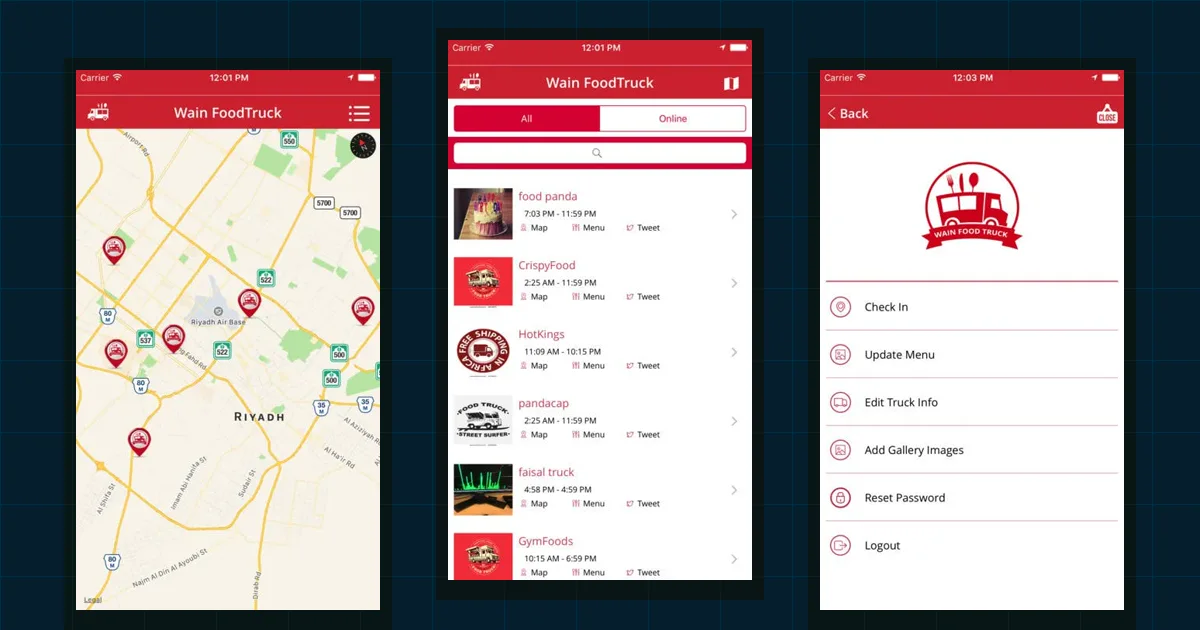
Digittrix’s public Freelancer portfolio documents Wain as a location-based food-truck product with nearby map discovery, menus, favorites, and truck-owner content controls.
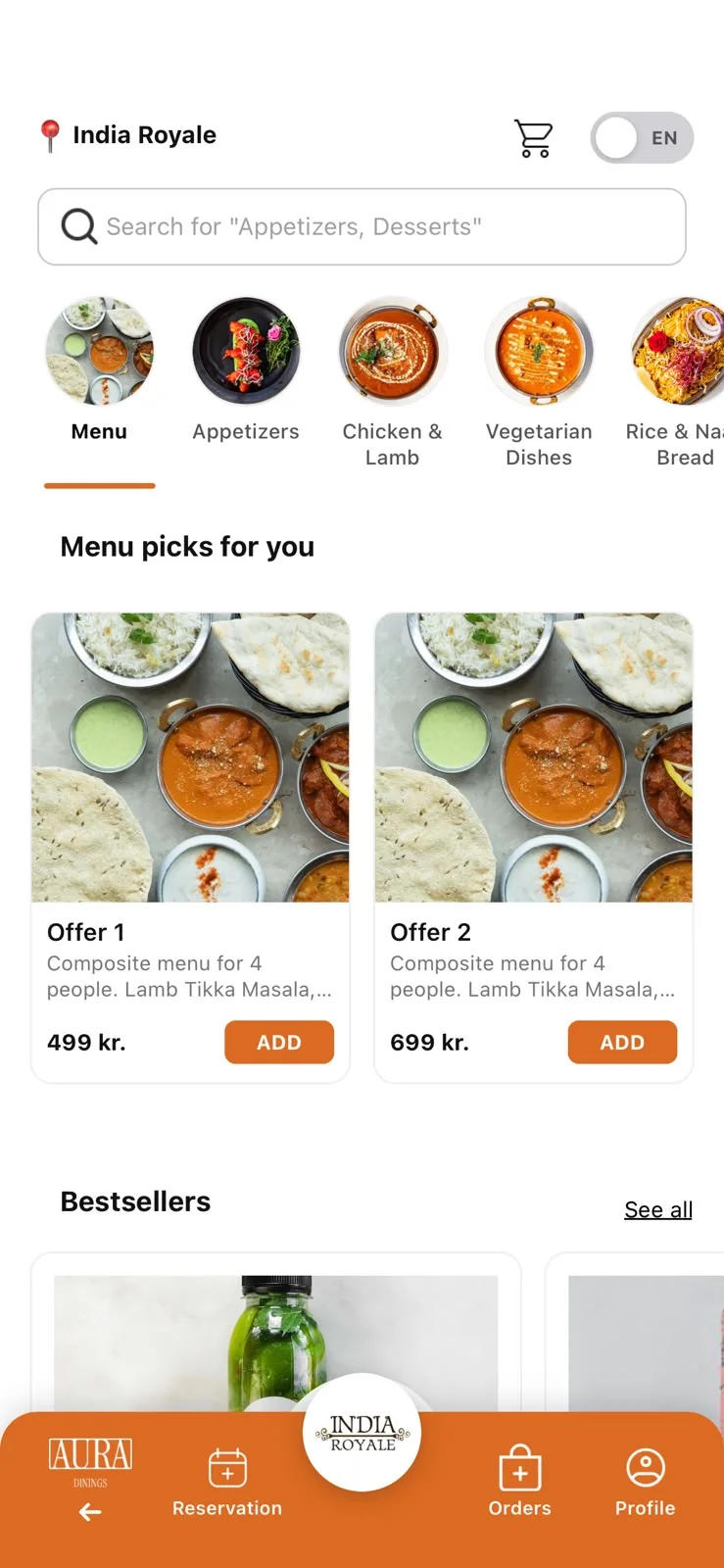
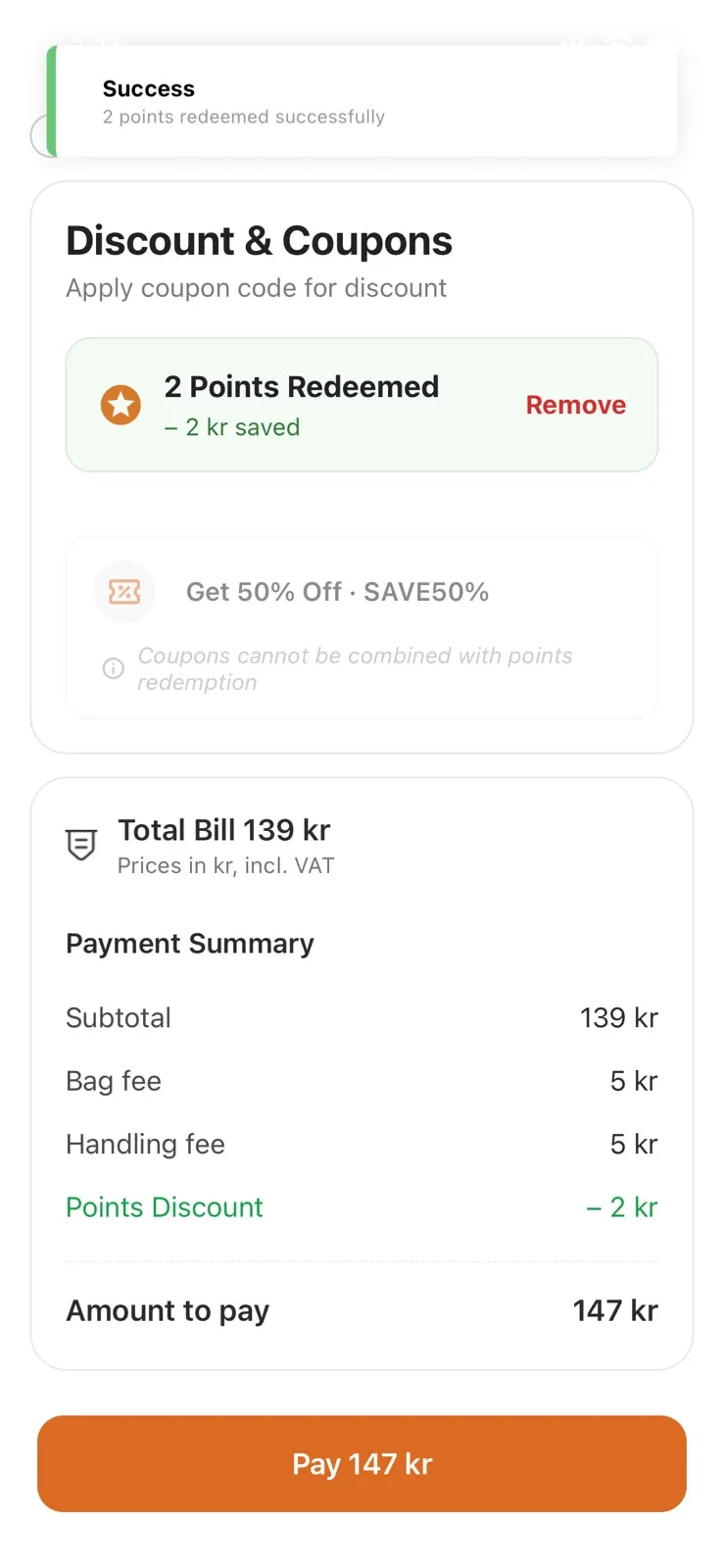
Actual customer-app screens supplied by Digittrix on 7 September 2026.
Digittrix developed the AuraDinings website and mobile app. Inspect customer ordering and restaurant admin walkthroughs, with screenshots of menu browsing, loyalty, product editing, pricing and order-status controls.

The HappyFidos director’s GoodFirms review names Digittrix’s website, mobile app, and UI/UX delivery for a platform connecting dog parents with trusted sitters.
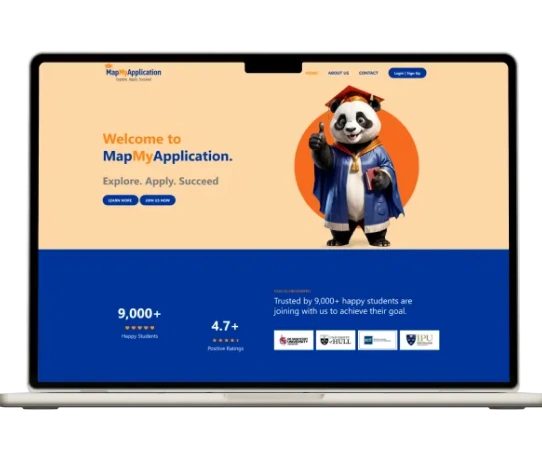
This named case study documents requirements, role-based workflows, integrations, delivery phases, and a connected mobile experience.
Wain is historical portfolio work attributed through Digittrix’s public Freelancer profile. Digittrix confirms AuraDinings website and mobile app development, including customer ordering, and supplies the screenshots and edited customer and admin videos. These demonstrate product interfaces, not independently verified business outcomes. HappyFidos and Map My Application are not restaurant client projects.
Compare like-for-like proposals
Choose the operating model before comparing development costs. Ask each developer to list the platforms, order statuses and outside services their quote covers.
| Your product route | What to scope | What to verify before approval |
|---|---|---|
| Defined ordering package | An existing ordering product with your branding and the agreed features. | Check branding, licence terms, hosting, renewals, included changes and source-code terms in the package agreement. |
| Restaurant-owned custom app | Ordering and administration tailored to your kitchen or chain. | Review the AuraDinings screens. Agree dish options, pickup or delivery, loyalty rules, and how staff handle rejected or cancelled orders. |
| Multi-vendor marketplace | Separate restaurants, customer orders and platform operations. | Scope onboarding, commissions, settlements and dispatch separately. Verify each POS vendor’s API access before committing to integration. |
Ask for these items in your written estimate. Agree inclusions and acceptance tests before signing; this checklist does not add features to a package or report completed project tests.
These logos represent organisations in Digittrix’s broader product portfolio. They show work across industries and do not identify restaurant-specific projects.











Our restaurant app developers plan, design, build and test your website and apps. Choose the services below to define your first release; your proposal confirms the features and support we include.
Let customers browse dishes, choose extras, schedule an order and check out. Define pickup and delivery rules before we build your ordering app.
Give customers a website that works on phones and desktops. We can include menus, table reservations, pickup, delivery and checkout through a supported payment provider.
Connect customer orders with driver assignments, delivery status and staff controls. Explore our food delivery app development services for the full delivery workflow. Review our food delivery app development guide for feature and budget planning.
Let guests choose a booking time and party size. Give staff controls for table availability, waitlists, confirmations and cancellations.
Manage menus and incoming orders across your kitchen’s brands. Agree preparation queues and delivery responsibilities. Compare consumer and business ordering models in our cloud kitchen planning guide.
Our restaurant online ordering software brings supported web, app, counter and third-party orders into one workflow. We check each connection before planning how orders reach the right outlet and kitchen.
Choose the product that matches your business. Each option needs its own feature list, user roles and integration checks.
Connect ordering, preparation and delivery updates. Agree the customer, restaurant, driver and admin tools your launch needs.
Give staff one place to manage menus, orders, outlets and reports. Define inventory controls and access permissions in your scope.
Let guests check availability and request a table. Help front-of-house staff manage waitlists, reminders and booking changes.
Build a marketplace with multiple restaurant listings, menus, commissions, orders, payouts, and delivery workflows. Compare owned, aggregator, and hybrid channel strategies in our food delivery platform selection guide.
Let customers earn points, redeem rewards and reorder past meals. Define expiry dates, coupon restrictions and eligible outlets before launch.

Let customers choose menu options, schedule pickup, check delivery availability, and place an order through your restaurant app.

Connect supported payment gateways for checkout, payment confirmation, and refund workflows linked to each order.

Show order progress from acceptance and preparation to pickup or delivery. Add live driver location when your scope includes tracking.

Manage available tables, booking times, party sizes, waitlists, and guest reminders from one reservation workflow.

Update prices, modifiers, item availability, and outlet-specific menus so customers can see what each location serves.

Send order updates, reservation reminders, and relevant offers, with customer preferences for promotional notifications.

Manage outlets, orders, staff permissions, refund requests, and operational reports through role-based access.
Connect customer ordering with the systems your restaurant already uses. We plan each integration around available APIs, your outlet workflows, and how staff should respond when a connection is delayed or unavailable.
Route app and website orders to the correct outlet's point-of-sale system. Confirm how item IDs, modifiers, taxes, discounts, and order acknowledgements map between systems before development.
Agree which system controls prices, menus, and stock availability, then synchronise supported changes across ordering channels. Set the update frequency and decide how each outlet handles sold-out items.
Send kitchen tickets to a supported KDS with item options, preparation notes, and order priority. Map accepted, preparing, and ready statuses so kitchen staff and customers receive consistent updates.
Match gateway payment confirmations to restaurant orders. Define what happens when a payment succeeds but an order fails, including staff alerts, reconciliation, and refund handling through the supported provider.
Connect supported delivery providers or your own driver workflow with delivery zones, pickup readiness, assignments, and customer status updates. Confirm tracking access and cancellation rules for each delivery partner.
Plan duplicate-order protection, controlled retries, and an audit trail for failed updates. Agree on operator alerts and a fallback process when the POS, kitchen, payment, or delivery connection is unavailable.
Share your POS or KDS provider, outlet count, ordering channels, and delivery model. We confirm API access, supported features, vendor licences, and test requirements before estimating the work. Explore the restaurant POS, KOT, and inventory planning guide for a requirements checklist.
Your own restaurant earns revenue from food orders and may offer memberships or delivery services. Marketplace operators can also charge vendors commissions or listing fees. Choose the model that fits your business; app features alone do not guarantee profit.

Charge restaurants or vendors per order in marketplace platforms.

Offer memberships with defined delivery benefits, discounts or exclusive offers.

Let marketplace vendors pay for clearly labelled promoted listings.

Show any delivery or service fee before the customer pays.

Promote food brands, restaurants, and offers within the app.
We select technologies to suit your platforms, integrations and expected workload. Your proposal identifies the stack, hosting needs and maintenance responsibilities.

React

Flutter

Swift

Kotlin

Node.js

PHP

Laravel

Python

CodeIgniter

MySQL

MongoDB

PostgreSQL

Firebase

MariaDB

Microsoft Azure

Docker

Google Cloud

Vercel

Netlify

Stripe

Razorpay

PayPal

Cashfree
The ₹75,000 price covers the ordering package below. We quote custom marketplaces, additional dispatch tools and multi-city operations separately. Compare our food delivery platform planning options when those requirements apply.
Quick answer: Our ready-made ordering package costs ₹75,000 (INR). Custom development budgets are $2,500–$5,000 for a focused first release, $5,000–$12,500 for connected ordering, and $12,500–$30,000+ for a multi-location or delivery platform. We quote these custom ranges in US dollars (USD).
A focused minimum viable product (MVP) typically takes 6–10 weeks. Larger custom builds take 10–16 weeks or 16+ weeks. We confirm the final price and schedule after reviewing your requirements.
₹75,000
Defined package priceBest for: Restaurants that want their own branded ordering website and apps using an existing product.
Typical scope: White-label branding, agreed ordering workflows, source code, migration, six months of technical support, and three months of SEO, GEO, and AEO support.
See package scope$2,500–$5,000
Approx. ₹2–4 lakhBest for: One restaurant, café or cloud kitchen that needs a focused first release.
Typical scope: Menu and modifiers, cart, checkout, one payment gateway, pickup or delivery, order status, notifications, essential admin controls, source code, and one year of technical support.
Request a written estimate$5,000–$12,500
Approx. ₹4–10 lakhBest for: A restaurant brand that needs connected customer, kitchen or outlet, and admin workflows.
Typical scope: Pickup and delivery, reservations, offers or loyalty, kitchen or order dashboard, notifications, reporting, selected supported integrations, source code, and one year of technical support.
Request a written estimate$12,500–$30,000+
Approx. ₹10–25 lakh+Best for: Restaurant chains, multi-brand operators, delivery networks, or multi-vendor marketplaces.
Typical scope: Branch menus, dispatch and live tracking, selected POS or KDS integrations, commissions or payouts, analytics, permissions, scalable operations, source code, and one year of technical support.
Request a written estimateLast reviewed: . These 2026 custom ranges assume an agreed scope that uses established components. They are planning estimates, not fixed quotes or market averages. Use the approximate INR figures for budgeting; your proposal confirms the billing currency.
Budget separately for: taxes, third-party subscriptions and licences, cloud and messaging usage, payment fees, app-store accounts, hardware, content entry, advertising and post-launch operations, unless your proposal includes them.
Handover and support: every package includes source code and the stated support period. The ₹75,000 package also includes migration. We define custom migration, support coverage and response arrangements in your agreement. Mature marketplaces and unsupported legacy integrations need a separate estimate.
Review the product evidence, delivery plan and handover terms before choosing your development team.

Use these checks to compare proposals and agree what a successful release must deliver.
Our India-based team builds restaurant apps for businesses in India, the United States, the United Kingdom, Canada, Australia and New Zealand. We work with the business types below.

Restaurants & Cafés

Cloud Kitchens & Food Chains

Food Delivery Startups

Catering Services

Multi-Vendor Food Marketplaces
We take your project from an agreed ordering journey to a tested release and documented handover.
How We Build Restaurant AppsYou review the scope, designs and working features at agreed milestones.
We document your menu, ordering rules, user roles, platforms and launch priorities.
We map screens and test the proposed journey with the people who will use it.
We build in stages, demonstrate working features and review your feedback.
We test ordering, payments, permissions and failure handling, then resolve issues against the agreed acceptance criteria.
We prepare deployment, hand over the agreed code and accounts, and provide support within your package terms.
Get clear answers to common questions about our restaurant app development services, process, and support.
Anuj and Thomas discuss their experience working with Digittrix. Anuj’s project is a café-discovery web application; Thomas’s review covers a separate mobile-app project.
Café-discovery web application
Review summary: Anuj, co-founder of Join the Table, describes working with Digittrix to build the web application. He discusses support, feedback, timelines and choosing a technology partner for an MVP.
Cross-industry mobile app development
Review summary: Thomas describes a mobile app built for his business, including the initial consultation, how the team listened to his ideas, the design and his experience with the finished app.
These reviews support our broader delivery experience. They are not testimonials for AuraDinings, restaurant ordering or POS integrations.
We’ll review your platforms, staff roles and integration needs, then recommend a package or custom scope. Your written proposal will set out the cost, milestones, delivery schedule and support.
Request a Restaurant App Consultation