 +91-8727000867
 +64 22 003 5555


Protect your app from cyber threats with encryption, MFA, secure APIs, privacy controls, security testing, dependency updates, and practical incident-response planning.
Highlights
- Secure foundations: protect login, APIs, sessions, data storage, file uploads, payment flows, admin access, and cloud configuration from the first release.
- Testing matters: use code review, dependency scanning, penetration testing, logging, monitoring, and incident-response planning before and after launch.
- User trust: make privacy notices, permissions, MFA, support, breach-response ownership, and security updates clear for users and internal teams.

Co-Founder
Harsh Abrol 
Since 2014, Digittrix has helped companies optimise digital products for stronger conversions.
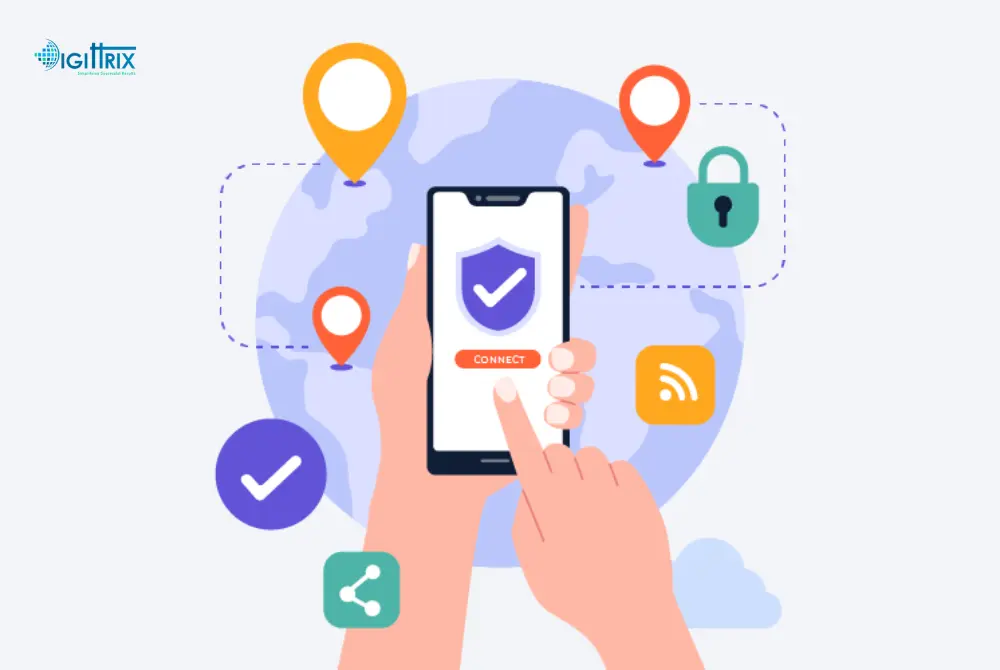
In today's digital world, mobile applications have become an essential part of our lives. We use them for almost everything from communication to banking, from online shopping to entertainment. However, with the increased usage of mobile apps, the risks of cyber threats have also increased. Cybercriminals are becoming more sophisticated, and they can easily steal your user's personal information, financial data, and other sensitive information through mobile apps. Hence, it has become crucial for mobile app developers to prioritize app security to keep their users safe from cyber threats.
App security refers to the measures taken to protect mobile applications from unauthorized access, modification, or exploitation. With the increasing use of mobile devices and apps, the importance of app security has become more critical in today's digital landscape. Apps are susceptible to various cyber threats that can cause significant damage to users and businesses alike. Therefore, it is essential to understand the risks of cyber threats and the potential consequences of these threats to ensure app security.
Launching a startup? Explore how AI & ML are shaping custom software development for innovative solutions.
2026 App Security Planning Checklist
App security should be planned before development starts, not added only before launch. A secure mobile app needs clear authentication, protected APIs, encrypted data, safe third-party tools, tested permissions, and an owner for updates after release.
Quick answer: To protect app users from cyber threats, plan MFA, secure APIs, encryption, input validation, session management, dependency updates, penetration testing, privacy controls, payment security, logging, monitoring, and an incident-response process.
Security checks before launch
- Authentication: use secure login, MFA for sensitive accounts, strong password rules, session expiry, and account recovery controls.
- API security: validate input, protect endpoints, use authorization checks, rate limits, secure tokens, and avoid exposing secrets in apps.
- Data protection: encrypt sensitive data in transit and at rest, limit permissions, reduce unnecessary data collection, and secure backups.
- Testing: review code, scan dependencies, test payment flows, check cloud permissions, run penetration testing, and verify logging.
Compliance and privacy checks
Security planning should match the markets, user data, and payment flows your app handles. Depending on the country and product category, teams may need to review privacy notices, consent, data retention, breach response, children's data, payment security, app-store rules, and sector-specific requirements with legal or compliance advisors.
- India: review applicable privacy, cybersecurity, payment, and intermediary obligations before launch.
- Global markets: consider GDPR, CCPA/CPRA, PCI DSS, healthcare, finance, education, and child-safety requirements where applicable.
- Operations: define who handles vulnerabilities, incidents, support tickets, user deletion requests, audit logs, and security updates.
GEO and AI-search clarity
For stronger search and AI visibility, this page should clearly explain app security entities such as cyber threats, encryption, MFA, secure APIs, data privacy, payment security, vulnerability testing, penetration testing, compliance, incident response, and mobile app development.
For deeper planning, compare our mobile app development services, mobile app code audit guide, code audit vs code review guide, and mobile app development process guide.
The Risks of Cyber Threats
There are several types of cyber threats that apps are vulnerable to. These threats can exploit vulnerabilities in the app's code, network, or infrastructure, making it easier for attackers to gain unauthorized access to sensitive information or cause damage to the app and its users.
Malware
Malware is malicious software designed to harm devices, steal data, or gain unauthorized access to systems. Malware can infect mobile devices through malicious apps, links, or attachments. Once installed, it can gain access to sensitive data, track user activity, or even take control of the device.
Phishing Attacks
Phishing attacks are a type of social engineering attack that involves tricking users into sharing sensitive information such as passwords, credit card details, or personal information. Phishing attacks can occur through email, text messages, or even fake apps that look like legitimate ones.
Data Breaches
A data breach occurs when an attacker gains unauthorized access to sensitive information stored on an app's server or database. This information can include user data such as names, addresses, passwords, or even financial information. Data breaches can result in significant financial and reputational damage to the app's owner and its users.
Potential Consequences of Cyber Threats
The consequences of cyber threats can be severe and long-lasting.
Loss of User Data
Cyber threats such as data breaches can result in the loss of sensitive user data, including personal information and financial details. This can have severe consequences for users, including identity theft, financial fraud, and reputational damage.
Financial Loss
Cyber threats can cause significant financial loss to app owners and users. For example, a successful phishing attack can result in financial loss through fraudulent transactions or stolen credit card information. Additionally, data breaches can lead to legal fines and other costs associated with repairing the damage.
Importance of App Security
App security is crucial for protecting user data and maintaining the reputation of the app and its developers. A security breach can result in sensitive user information being stolen, including personally identifiable information (PII) such as name, address, phone number, and email. In some cases, financial information such as credit card numbers may also be compromised. If user data is not protected, it can lead to identity theft, financial loss, and other harmful consequences for users.
Furthermore, security breaches can damage the reputation of the app and its developers. News of a security breach can spread quickly, damaging the app's brand and leading to a loss of user trust. The app may also face legal repercussions, such as lawsuits and fines, for failing to protect user data.
App security is essential for building user trust and ensuring the success of the app. When users trust an app, they are more likely to continue using it, recommend it to others, and make purchases within the app. On the other hand, if an app is perceived as insecure, users are likely to abandon it and seek out alternatives that they perceive as more secure.
Best Practices for App Security
There are several best practices that developers can implement to ensure app security.
Implement Encryption
Encryption is the process of encoding data so that it can only be accessed by authorized users. By encrypting sensitive data, such as user login credentials and payment information, developers can ensure that even if a security breach occurs, the data will be unusable to attackers.
Regularly Update the App
Regular updates to the app can address security vulnerabilities and fix bugs that could be exploited by attackers. Developers should keep their apps updated with the latest security patches and encourage users to update to the latest version.
Use Multi-factor Authentication
Multi-factor authentication (MFA) adds an additional layer of security to the login process. With MFA, users must provide more than one form of authentication, such as a password and a fingerprint, to access their accounts. This helps to prevent unauthorized access even if a user's password is compromised.
Test App Security Measures
Regular testing of the app's security measures can help to identify vulnerabilities before they are exploited by attackers. Developers should conduct regular security audits and penetration testing to identify weaknesses in the app's security and address them promptly.
Address Vulnerabilities
If vulnerabilities are identified, developers should address them promptly. This may involve patching the app, updating security protocols, or implementing additional security measures to prevent future breaches.
Compliance and Privacy Checks
Security requirements differ by market, industry, and data type. Before launch, app owners should review privacy notices, consent flows, data retention, breach response, user deletion requests, payment security, app-store policies, and any sector-specific requirements that apply to their product.
Privacy and Data Protection
Apps that collect personal data should limit what they collect, explain why it is collected, protect it with suitable security measures, and define how users can request access, correction, deletion, or support where applicable.
Payment and Financial Security
Apps handling payments should use trusted gateways, tokenization where suitable, secure payment APIs, MFA for sensitive actions, fraud monitoring, clear refund flows, and compliance checks for the markets where the app operates.
Security Governance
Assign owners for vulnerability reports, incident response, audit logs, dependency updates, cloud access, admin permissions, and user-support communication so the app remains secure after launch.
App security is a crucial component of any mobile application. By implementing strong security measures, you can protect your users' data, build trust, and stay prepared for changing privacy, security, and payment expectations. Regular security checks, updates, and user education help keep your app safer against evolving cyber threats.
Planning a safer app release? Review our mobile app code audit guide before launch.
Build a Secure and Proficient App with Digittrix
If you're thinking about developing an app and your biggest concern is app security, trust us; we could indeed build a secure and proficient app for you, contact us today.
Build an app with us, We are a leading mobile app development Company with experience since 2014 and having expert mobile developers at Digittrix!
If you want to build a secure app and need a clear development plan, schedule your consultation with our technical team by calling +91 8727000867
or write to us at hello@digittrix.com

 FAQ's
FAQ's