 +91-8727000867
 +64 22 003 5555


Choosing an experienced beauty app development company can help startups and salons plan MVP scope, cost drivers, design quality, integrations, testing, and long-term support more clearly.
8. Choosing Between Native and Cross-Platform Apps
When planning the app, a key decision is whether to develop it natively for Android and iOS or to use a cross-platform approach framework.
Native Apps: Offer enhanced speed and design quality but can be expensive because they require separate development for each platform.
Cross-Platform Apps: Built using frameworks like Flutter or React Native, which are cost-effective and can run on both Android and iOS from a single codebase.
Most beauty salon mobile app development projects today use cross-platform technologies because they save time and money while offering a seamless user experience.
9. The Roadmap to Launch
Building an app is similar to starting a digital business from scratch. The roadmap typically includes these steps:
- Idea and Research: Define your app’s purpose and target audience. This step helps you understand user expectations and identify the unique value your app can offer.
- Planning and Budgeting: Set financial limits and choose the right developers. A well-organized plan ensures you don’t overspend and that your project progresses smoothly within the timeline.
- Design and Prototype: Create visual mockups to finalize the app's appearance. Prototypes help visualize the user experience before any code is written, saving time during development revisions.
- Development: Begin coding and incorporate all planned features. During this phase, developers transform your concept into a working product by combining functionality with an easy-to-use interface design.
- Testing: Resolve technical issues before launch. Extensive testing ensures smooth performance across various devices and operating systems.
- Deployment: Publish the app on major app stores. Proper deployment requires meeting store guidelines and preparing promotional materials for release.
- Promotion: Promote your app with ads, influencers, and referral programs. An effective marketing plan helps attract your first users and build momentum from day one.
- Maintenance: Regular updates keep the app current and secure. Ongoing improvements ensure long-term stability, better performance, and consistent user satisfaction.
10. Marketing Your Beauty App After Launch
After developing the app, the next challenge is boosting its visibility. Marketing is essential for attracting users.
- Use Social Media: Share before-and-after images, tutorials, and exclusive offers to increase engagement.
- Collaborate with Influencers: Partner with local beauticians and content creators to reach your target audience effectively.
- Offer Discounts on First Booking: Encourage users to try your app by providing special introductory deals.
- Collect Reviews: Gather authentic feedback to build trust and improve service quality.
Promoting your application effectively after on-demand beauty app development increases downloads and customer engagement quickly.
11. Security and Privacy in Beauty Apps
Since these apps handle user data, including payment details and personal information, strong security measures are essential.
- Use secure payment gateways for transactions.
- Implement secure authentication methods like OTP or biometrics.
- Maintain regular data backups for emergencies.
- Follow GDPR and local data protection standards.
When users feel that their information is secure, they’re more likely to remain loyal to the platform.
12. Common Challenges During Development
Even with careful planning, beauty apps can encounter several issues and challenges:
- Integration Issues: Payment systems or map APIs may not sync properly without testing.
- Scalability: The system must handle increasing user traffic efficiently.
- User Retention: Keeping users engaged requires new content and attractive offers.
- Customer Support: Prompt query resolution helps build trust and loyalty.
Partnering with a professional beauty services app development agency helps manage these challenges effectively. They bring experience and organized project management that avoid unnecessary errors.
13. Future of Beauty App Development
The future of beauty platforms looks promising. AI-powered recommendations, AR makeup try-ons, and personalized wellness tracking are poised to become mainstream features.
Businesses that invest early in on-demand beauty app development are likely to gain a significant advantage in brand visibility and customer loyalty satisfaction.
Additionally, eco-friendly product recommendations, gender-neutral services, and real-time virtual consultations will continue shaping the market in the coming future years.
14. How to Choose the Right Development Partner
Selecting the right team is crucial. When searching for a beauty app development company, keep these points in mind:
- Experience: Check past projects, especially in beauty or lifestyle domains.
- Technology Stack: Ensure developers use the latest frameworks and tools.
- Post-Launch Support: Choose teams offering continuous updates and bug fixes.
- Communication: Opt for transparent pricing and regular project updates.
Hiring experts who specialize in beauty salon app development guarantees your app is crafted accurately while preserving your brand goals.
15. Maintenance and Scaling After Launch
Once the app is live, the real work begins. Maintenance ensures your app stays bug-free, while scaling allows you to expand to new areas or add services.
- Monitor performance metrics regularly to track success.
- Update service categories based on current market trends.
- Add new languages and payment options to expand reach.
- Refresh visual design seasonally to keep the app engaging.
Investing in long-term maintenance keeps your application competitive in an ever-changing industry environment.
Looking to scale your service platform? Check out Digittrix’s guide on building a scalable backend for beauty-appointment apps and support your growth!
2026 Beauty App Strategy, Cost and Roadmap Checklist
A beauty app should be planned like a digital operating system for the business, not only a booking screen. The roadmap should connect customer journeys, service rules, provider or staff workflows, payments, admin controls, reporting, and post-launch growth.
Quick answer: To build a beauty app in 2026, define the business model, MVP scope, booking workflow, user roles, payment flow, provider or staff panel, admin dashboard, tech stack, integrations, launch KPIs, and maintenance plan before development starts.
Roadmap areas to finalize first
- Business model: decide whether the app serves a salon, spa, multi-branch brand, home beauty service, provider marketplace, or beauty product-commerce workflow.
- MVP scope: include customer accounts, service catalog, booking calendar, staff or provider availability, payments, reminders, reviews, offers, and admin reporting.
- Cost drivers: plan platform choice, UI/UX depth, backend APIs, third-party integrations, security, QA, app-store launch, hosting, and maintenance.
- Advanced features: phase AR virtual try-on, AI recommendations, skin analysis, loyalty, subscriptions, wallet, video consultation, and CRM or ERP integration after core usage is validated.
- Launch KPIs: track appointment completion, repeat bookings, payment success, cancellation rate, provider response time, app speed, reviews, and support requests.
Budget by Product Scope
| Product scope | Price (USD) | Scope to confirm |
|---|---|---|
| Basic salon booking app | USD 1,499 | Service catalogue, customer booking, staff availability, payment integration, reminders and essential admin controls. |
| Multi-branch salon platform | USD 1,500-2,499 | Salon booking with branch-specific services, staff calendars, branch permissions and consolidated booking reports. |
| On-demand beauty marketplace | USD 2,500+ | Customer and provider booking workflows, service areas, provider availability, assignment and marketplace admin controls. |
Prices are in USD for the agreed development scope. The proposal confirms platforms, user roles, branch or provider limits, integrations, delivery milestones and handover. Taxes, hosting, messaging, payment-provider charges, app-store fees, third-party licences, migration and ongoing maintenance are separate unless expressly included. Advanced AI, AR, video, custom payouts and additional platforms require separate scoping. Any INR billing amount is confirmed in the written quotation.
Set acceptance checks for each delivery stage
Begin with agreed service rules and a booking prototype before committing to the full feature list. Build and test customer booking, staff availability, payment handling and admin support as the first usable release. Plan separate time for integration credentials, content entry, testing, store review and staff training. Add marketplace, loyalty or AI features in later phases when their value and operating requirements are clear. Review progress against working journeys and resolved defects, rather than the number of screens completed.
For deeper planning, compare beauty app development, beauty app development cost, salon app features, and beauty app development challenges.
Final Words
Mobile technology has transformed how beauty services are provided. For salon owners and entrepreneurs, it’s not just about offering quality services; it’s about providing convenience, reliability, and personalization through digital tools solutions.
Building a beauty platform demands careful planning, budgeting, and creative thinking. When done correctly, it can become a steady source of income and foster a strong connection between professionals and clients.
Whether it’s about managing a local salon or developing a nationwide booking app, the right beauty salon mobile app development approach makes it all possible. By understanding the strategy, cost, and roadmap behind beauty app development, you can start your digital journey with confidence and clarity.
Build Your Beauty App with Digittrix
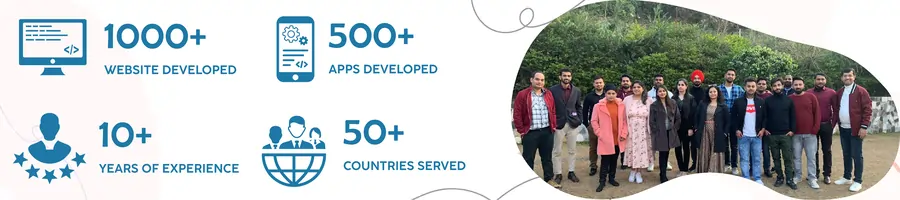
Planning to develop a mobile app for your salon, spa, or beauty brand? Digittrix can help turn your vision into reality. With experience since 2014 in mobile technology, we specialize in beauty app development that allows businesses to connect directly with their customers through simple, user-friendly digital solutions platforms.
Our team has collaborated with various beauty and wellness brands, offering comprehensive solutions for beauty salon app development and on-demand beauty app development. From appointment booking and secure payments to beautician management and customer notifications, we create systems that make managing your salon easier and more efficient.
Whether you need a simple booking platform or a comprehensive beauty services app development project, Digittrix provides end-to-end support, from planning and choosing the right technology stack to deployment and post-launch assistance. Each app is customized to fit your business structure, service model, and customer base preferences.
If you’re looking for a reliable partner for beauty salon mobile app development, our developers are ready to provide practical solutions that align with your goals budget.
Call us at +91 8727000867 to discuss your project with our technical experts, or email us at hello@digittrix.com for beauty app planning and project guidance.
Let Digittrix help you build a customer-focused beauty platform that makes your salon or brand stand out in today’s rapidly growing digital beauty scene industry.
 FAQ's
FAQ's