 +91-8727000867
 +64 22 003 5555


Highlights
- Over 70% of Indian learners prefer mobile apps for classes, tests, and study access in India.
- Institutes reduce physical infrastructure costs by up to 40% in India through digital platforms.
- Course completion rates improve when platforms offer recorded sessions and flexible scheduling.

Co-Founder
Harsh Abrol 
Since 2014, Digittrix has helped companies optimise digital products for stronger conversions.
Introduction
India has seen a rapid rise in digital education across schools, colleges, coaching institutes, and corporate training programs. Internet access, smartphone use, and shifting study habits have prompted institutions to adopt structured digital systems for delivering courses, assessments, and progress tracking. Implementing such platforms requires careful planning, clear goals, suitable tools, and a realistic budget. This pillar article explains how to plan, build, and manage an online education system in India with clarity and practicality.
This guide focuses on practical steps rather than theory. It explains platform types, core features, technical tools, performance-tracking methods, legal factors, and cost structures. The aim is to help decision-makers understand what is needed before starting online learning platform development and how to measure success after launch.
Want to make learning more engaging? Check Digittrix's gamification insights to see how fun and effective education can be!
Understanding Online Education Platforms in the Indian Market
An online education platform is a digital system that delivers study materials, video sessions, assignments, tests, and certificates via web or mobile applications. In India, these platforms serve school students, university programs, competitive exam aspirants, skill-based courses, and internal company training.
Indian users prefer mobile-first access, local-language support, low data usage, and flexible payment options. Any platform built for India must work smoothly on mid-range smartphones and on unreliable internet connections. These realities shape both technical decisions and content structure during the planning process.
Platforms usually fall into four broad categories:
- Academic education platforms for schools and colleges
- Test preparation platforms for entrance and government exams
- Skill and vocational training platforms
- Corporate training systems for employees
Each category has different feature priorities, but the basic structure remains the same similar.
Step-by-Step Planning Before Development
Defining Goals and Target Users
Before writing a single line of code, institutions must define their purpose. Is the platform intended for live classes, recorded lessons, or blended delivery? Will users access it daily or occasionally? Clear answers help avoid confusion later.
The target user definition should include age group, language preference, device usage, and internet conditions. A platform built for rural students will differ from one designed for working professionals in metro cities.
Content Structure and Delivery Format
Content planning includes deciding how lessons will be delivered. Common formats include:
- Recorded video sessions
- Live virtual classrooms
- PDF notes and reading material
- Quizzes and assignments
- Discussion boards
A structured syllabus with logical progression helps users move through courses without confusion. Content should be organized into short units to support mobile viewing habits.
Mobile-First Approach for Indian Users
Most Indian students access courses on smartphones. Mobile apps must load quickly, use minimal data, and work on older devices. Offline access to downloaded videos and notes is highly valued.
Push notifications remind users about classes, tests, and deadlines. These alerts help maintain regular participation without overwhelming users.
When planning e-learning app development, testing across multiple devices and network conditions is essential for usability.
Core Features Required in Online Platforms
User Registration and Profiles
Every platform needs a secure sign-up system. Users should be able to register with mobile numbers, email addresses, or social accounts. Profiles store course access, progress data, payment history, and certificates.
Course Management System
Admins and instructors need dashboards to upload videos, schedule classes, assign tasks, and manage batches. A well-organized backend reduces manual work and errors.
Video Hosting and Playback
Video is the backbone of most education platforms. Hosting can be handled through cloud-based services with adaptive quality to match varying internet speeds. Playback controls, pause-resume options, and playback speed selection improve usability.
Assessment and Evaluation Tools
Tests, quizzes, and assignments help measure understanding. Automated grading for objective tests saves time, while subjective assessments may require manual review. Result analytics help instructors adjust teaching methods.
Payment and Subscription Handling
Indian users expect multiple payment options, including UPI, debit cards, credit cards, and net banking. Subscription models may include monthly plans, course-based fees, or lifetime access.
Technology Stack and Tools Used
Frontend and Backend Technologies
Web platforms commonly use React or Angular for user interfaces, while backend systems rely on Node.js, Python, or Java. Mobile applications are often built with Flutter or React Native for cross-platform support.
Cloud Infrastructure
Cloud services support scalability and storage. Indian platforms often use AWS, Google Cloud, or Azure data centers located within the country to meet data storage needs norms.
Learning Management Systems (LMS)
Some institutions prefer ready-made LMS solutions with customization, while others opt for custom builds. LMS tools support content delivery, user tracking, and reporting.
During eLearning app development, selecting tools that match long-term needs helps control maintenance costs.
KPIs to Measure Platform Performance
Key Performance Indicators (KPIs) help track whether the platform meets its goals. These metrics provide measurable signals rather than assumptions.
User Acquisition Metrics
- Number of new registrations per month
- Cost per user acquisition
- Conversion rate from free to paid users
User Activity Metrics
- Daily active users (DAU)
- Monthly active users (MAU)
- Average session duration
Course Completion Metrics
- Percentage of users completing courses
- Assignment submission rates
- Test participation levels
Revenue Metrics
- Monthly recurring revenue
- Average revenue per user
- Subscription renewal rate
Regular KPI reviews help teams adjust content, pricing, and features without guesswork.
Data Privacy and Legal Considerations in India
India has strict rules governing user data storage and use. Platforms must follow national data protection guidelines and maintain transparency about data usage.
Consent collection, secure authentication, and encrypted storage reduce legal risk. Clear terms of service and privacy policies build user trust and institutions.
Educational platforms serving minors must also comply with child data protection norms, including obtaining parental consent where required.
 Planning an Online Learning Platform?
A successful education platform needs more than videos. Digittrix helps institutions build structured, scalable, and performance-driven online learning systems for Indian users.
Build a scalable learning platform →Cost Breakdown for Online Learning Platforms in India
Development Costs
Initial development costs depend on platform complexity, feature set, and team size. Basic platforms may start with lower budgets, while advanced systems with analytics and integrations require higher investment.
Typical cost ranges include:
- Web platform: ₹8 lakh to ₹20 lakh
- Mobile application: ₹6 lakh to ₹15 lakh per platform
- Admin dashboard and analytics: ₹4 lakh to ₹10 lakh
These estimates vary based on customization and timelines.
Infrastructure and Hosting Costs
Cloud hosting costs depend on user volume, video storage, and bandwidth usage. Monthly hosting expenses may range from ₹50,000 to several lakhs for large platforms.
Content Production Costs
Content creation includes video recording, editing, instructor fees, and material preparation. High-quality content often accounts for a significant share of total investment.
Maintenance and Support Costs
Ongoing expenses include bug fixes, feature updates, server monitoring, and user support. Annual maintenance typically ranges from 15% to 25% of initial development cost.
Instructor and Admin Training
Technology adoption depends on instructor comfort. Teachers and trainers must be trained to upload content, conduct live sessions, and review performance data.
Admin staff need guidance on managing users, payments, and reports. Simple dashboards reduce training time and operational errors.
Clear documentation and support channels help teams resolve issues without delay.
Common Challenges and Practical Solutions
Low User Retention
Retention issues often stem from long videos or unclear course paths. Breaking content into shorter units and adding periodic assessments helps maintain interest.
Technical Issues
Frequent app crashes or slow loading frustrate users. Regular testing and performance monitoring reduce such problems.
Payment Failures
Multiple payment gateways and clear retry options reduce failed transactions. Transparent refund policies also improve user confidence.
Choosing the Right Development Partner
Selecting a development team involves more than reviewing portfolios. Institutions should review past education projects, communication style, and post-launch support plans.
A partner experienced in developing online learning platforms understands user behavior, compliance needs, and scaling challenges in India.
During discussions, clarity on timelines, deliverables, and ownership rights helps avoid disputes later.
Scaling the Platform Over Time
As user numbers grow, platforms must handle higher traffic without performance issues. Load testing, database optimization, and cloud scaling plans support growth.
Adding new courses, languages, and features should follow a planned roadmap. Sudden changes without testing may affect stability and user satisfaction.
For institutions planning long-term mobile app development for education, scalability planning from day one avoids costly redesigns later.
Future Outlook of Digital Education in India
Digital education will continue to expand across both formal and informal sectors. Hybrid models that combine classroom and online access are becoming common.
Artificial intelligence-based analytics, regional-language content, and skill-focused courses will shape future platforms. Institutions that invest early with sound planning gain long-term stability.
With proper planning, budgeting, and measurement, eLearning app development can support accessible education for diverse audiences across the country.
Long-Term Roadmap for Institutions
After launch, institutions should develop a clear 12–36-month roadmap. This roadmap may include gradual course expansion, additional language options, and refined reporting systems. Instead of adding many features at once, a phased approach allows teams to monitor user response and system stability.
Regular review meetings help track progress against defined milestones. These sessions should focus on learner satisfaction, instructor feedback, and operational workload. Written documentation of changes helps future teams understand past decisions.
 Planning an Online Education Platform in India?
Building a successful learning platform goes beyond uploading courses. Content structure, mobile usability, performance tracking, compliance, and long-term scalability all matter. Digittrix helps institutions plan, design, and develop online education systems tailored for Indian learners.
Support Systems and Issue Resolution
User support plays a major role in platform acceptance. Students often encounter login issues, payment questions, or access restrictions. A ticket-based support system helps track and resolve problems in an orderly manner.
Support channels may include email, chat support, and phone assistance during fixed hours. Clear response timelines reduce frustration. Frequently asked questions should be updated regularly based on real user queries.
Internal support processes should define responsibility levels so that technical, academic, and billing issues are routed to the right team quickly.
Content Quality Review and Updates
Educational content must remain current and accurate. Periodic reviews help remove outdated material and add new examples or case references. Review cycles may be quarterly or biannual, depending on the subject matter.
Instructor feedback is valuable during updates. Trainers often understand where students struggle and which sections need clarification. Small revisions over time help maintain consistency without overwhelming users.
Accessibility and Inclusive Design
Inclusive design ensures that people with different abilities can use the platform comfortably. Simple navigation, readable font sizes, and clear contrast support accessibility.
Subtitles for videos, downloadable transcripts, and adjustable playback controls help users with hearing or vision challenges. Language simplicity also supports first-generation digital users.
Accessibility checks should be part of regular audits rather than a one-time task.
Risk Management and Contingency Planning
Digital platforms face risks such as server downtime, data loss, and account misuse. Backup systems and disaster recovery plans reduce service interruptions.
Regular data backups and restricted admin access protect sensitive records. Staff training on security practices reduces the risk of internal errors.
Clear escalation paths help teams respond quickly during unexpected events.
Marketing and User Onboarding
A platform launch must be supported by clear onboarding steps. Introductory videos, walkthrough screens, and help sections guide first-time users.
Referral programs, demo access, and trial periods help attract users. Honest communication about course scope and outcomes builds long-term credibility.
Platforms focused on on-demand learning app development often benefit from flexible access models that suit varied schedules.
Measuring Educational Outcomes
Beyond usage data, institutions should measure academic outcomes. Indicators may include improvements in test scores, skill assessment results, or job placement statistics.
Surveys and feedback forms provide qualitative information. Combining numeric data with learner feedback offers a balanced view of platform performance.
Outcome measurement helps justify continued investment and guides future planning.
Collaboration with Academic Partners
Partnerships with schools, universities, and training centers expand reach and credibility. Collaboration agreements should clearly define content ownership, revenue sharing, and branding rules.
Joint certification programs attract learners seeking recognized credentials. Transparent partner communication prevents misunderstandings during growth phases.
Sustainability and Cost Control
Long-term sustainability depends on controlled spending and predictable income. Subscription renewals, institutional contracts, and bulk enrollments support financial stability.
Regular cost reviews help identify unused services or oversized infrastructure. Adjustments based on actual usage help maintain a balance between quality and expenses.
Planning to launch a digital learning platform? Check Digittrix's eLearning app development guide to build a scalable solution!
Final Words
Implementing an online education platform in India requires structured planning, suitable tools, clear performance tracking, and realistic budgeting. From content design to technical setup and ongoing support, every stage affects user satisfaction and outcomes.
Institutions that prioritize user needs, legal compliance, and measurable indicators build platforms that support long-term stability. Whether the goal is academic teaching, skill training, or professional upskilling, careful execution leads to consistent results.
With proper planning and regular evaluation, digital education systems can support access across regions, languages, and income groups, making online education a practical option for India’s future.
Build Online Learning Platforms in India (2026) with Digittrix
By 2026, digital education in India will continue to expand across schools, coaching centers, skill institutes, and EdTech startups. Learners now expect structured courses, live interaction, flexible access, and clear progress tracking. A well-planned online learning platform enables institutions to deliver courses smoothly, manage users, and support interactive sessions for both students and instructors.
Digittrix partners with education-focused businesses to build online learning platforms that meet Indian user needs and modern EdTech standards. Our team develops systems that support live classes, recorded lessons, structured course modules, student performance tracking, and communication tools that help learners and instructors stay connected.
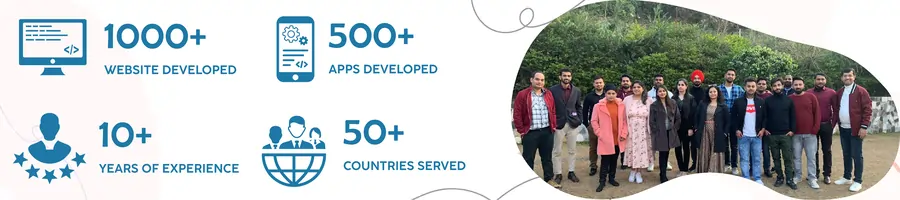
With more than 14 years of industry experience, Digittrix supports startups and education companies in building scalable mobile and web-based learning systems. Our solutions include virtual classrooms, test and assessment modules, progress reports, certificates, and instructor management features designed for long-term use.
If your startup or EdTech business plans to launch a flexible, structured online learning platform in 2026, our development team is ready to support you.
Contact us at +91 8727000867 or email digittrix@gmail.com to discuss your project or request detailed service information.
 FAQ's
FAQ's