 +91-8727000867
 +64 22 003 5555


In 2026, mobile app development success depends on clear MVP scope, realistic cost planning, secure architecture, analytics, testing, and a post-launch growth roadmap.
Highlights
- Successful app projects start with MVP scope, user journeys, backend requirements, analytics, and launch KPIs before visual polish.
- Maintenance planning should include security updates, operating-system compatibility, crash monitoring, analytics, and feature improvements.
- Platform choice should compare Flutter, React Native, native Android, native iOS, and PWA against budget, performance, timeline, and long-term support.

Co-Founder
Vandana Abrol 
An enthusiastic developer and skilled business management expert with over a decade of experience in the field
Mobile apps are no longer limited to social networking or entertainment. In 2026, businesses across retail, healthcare, logistics, education, finance, and public services depend on mobile apps for daily operations and customer interactions. A mobile application is now a core business tool rather than a side channel. Because of this shift, companies and founders want clarity on how mobile app development works today, how much it costs, and how to plan the process effectively.
This detailed guide explains mobile app development in 2026 using simple language. It covers pricing factors, the step-by-step development process, technology choices, common mistakes, and practical planning tips. The goal is to help founders, managers, and decision-makers understand what happens behind the scenes and how to prepare before starting a project.
Planning payments or subscriptions? Review Digittrix's payment integration guide before finalizing checkout, wallets, subscriptions, or in-app purchase flows.
Mobile App Development in 2026: Quick Planning Checklist
Mobile app development in 2026 should start with a clear product goal, user journey, MVP scope, technology choice, launch budget, and post-release growth plan. The best projects begin with the customer action the app must make easier, then build the smallest reliable version around that journey.
Quick answer: Plan the first version around onboarding, core user flow, backend, admin tools, analytics, testing, app-store launch, maintenance, and one measurable business outcome before adding advanced features.
What to decide before development starts
- App type: ecommerce, booking, marketplace, on-demand, fintech, education, healthcare, CRM, or internal workflow apps all need different architecture.
- Platform choice: Compare Flutter, React Native, native Android, native iOS, and PWA based on performance, budget, timeline, and maintenance.
- MVP scope: Keep the first release focused on the highest-value user journey, admin controls, analytics, and feedback capture.
- Backend needs: Plan APIs, authentication, payments, notifications, dashboards, integrations, security, and data ownership early.
- Launch KPIs: Track activation, retention, crash-free sessions, payment success, support tickets, enquiries, and revenue influenced by the app.
Use this guide with mobile app development services, the mobile app development cost guide, framework comparison, Flutter developer hiring, and the app timeline guide.
Who This Guide Is For
This guide is for people who want clear answers before starting a mobile app project. It is useful for:
- Startup founders planning their first product
- Business owners moving services to mobile
- Product managers handling app planning
- Non-technical decision-makers comparing options
- Teams looking to understand cost, time, and process
If you want practical clarity instead of technical confusion, this sectioned guide fits your needs.
Understanding Mobile App Development in 2026
Mobile app development encompasses the planning, design, coding, testing, and release of applications for smartphones and tablets. These apps typically run on iOS, Android, or both platforms. In 2026, development practices emphasize performance, security, scalability, and long-term maintenance.
Modern apps often connect to payment systems, real-time databases, cloud platforms, and third-party tools. Many apps also depend on APIs, location tracking, notifications, analytics, and admin panels. Because of these layers, mobile apps today require structured planning rather than rushed coding.
Businesses often seek mobile app development services when they want a professional team to handle design, coding, testing, and post-launch support under one roof. These services help reduce risk and avoid costly mistakes caused by unclear planning.
Why Businesses Are Investing More in Mobile Apps
In 2026, customers expect mobile access to almost everything. Ordering food, booking rides, managing health records, tracking deliveries, and accessing financial tools are common mobile activities. A slow or poorly built app can directly affect customer trust and revenue.
Mobile apps also help businesses manage user data, streamline internal workflows, and reduce reliance on third-party platforms. A direct app gives companies more control over features, pricing models, and user interactions without relying on external marketplaces.
For startups, mobile apps often serve as the primary product. For established firms, apps help manage customers, field staff, inventory, and reporting.
Mobile App Development Cost in 2026
One of the most common questions is about cost. Mobile app development pricing varies widely based on scope, complexity, and region. There is no fixed rate, but understanding the cost factors helps with planning.
Key Cost Factors
1. App Type and Features: A basic app with login, profile management, and static content costs less than an app with real-time chat, payments, GPS tracking, or video streaming.
2. Platform Choice: Developing for iOS, Android, or both affects pricing. Separate native apps require more work than a single cross-platform app.
3. UI and Design Complexity: Custom animations, interactive screens, and brand-focused design add to cost.
4. Backend and Admin Panel: Apps that manage large data sets or user roles require stronger backend systems.
5. Security and Compliance: Healthcare, finance, and enterprise apps require extra security layers, which increase development time.
Average Cost Range in 2026
- Basic mobile app: USD 8,000 – 15,000 (INR 6,64,000 – 12,45,000)
- Medium complexity app: USD 15,000 – 40,000 (INR 12,45,000 – 33,20,000)
- High complexity app: USD 40,000 – 100,000+ (INR 33,20,000 – 83,00,000+)
These estimates depend on development location, experience level, and timeline.
App Maintenance and Ongoing Costs in 2026
Launching an app is not the final step. Maintenance keeps the app usable, secure, and compatible with new devices.
Common Maintenance Areas
- Bug fixes after release
- OS compatibility updates
- Security patches
- Performance improvements
- Feature additions based on user feedback
Monthly Cost Range
- Small apps: USD 300 – 800 (INR 24,900 – 66,400)
- Medium apps: USD 800 – 2,000 (INR 66,400 – 1,66,000)
- Large apps: USD 2,000+ (INR 1,66,000+)
Planning maintenance early prevents unexpected expenses later.
Mobile App Development Timeline in 2026
Understanding timelines helps avoid unrealistic expectations. Below is a realistic development timeline based on the project scope.
Average Timeline Breakdown
- Requirement planning: 1–2 weeks
- Wireframes and UI design: 2–4 weeks
- Backend and app development: 6–16 weeks
- Testing and fixes: 2–3 weeks
- Store submission and approval: 1–2 weeks
Small apps may finish faster, while feature-heavy apps take longer. Delays usually occur when requirements change mid-way.
 Planning to Build a Custom Mobile App?
Mobile apps are now essential business tools for customer engagement, operations, and digital growth. Whether you need a basic app, a scalable enterprise platform, or an on-demand solution, planning the right features, technology stack, and budget is critical for success.
Start your mobile app project →Step-by-Step Mobile App Development Process
Understanding the development process helps businesses avoid confusion and delays.
Step 1: Requirement Planning
This stage defines the app’s purpose, users, features, and limitations. Clear documentation prevents scope changes later. Teams outline user flows, data needs, and platform requirements.
Step 2: Wireframing and UI Design
Wireframes show how screens connect. UI design focuses on layout, spacing, typography, and navigation logic. Design approval is critical before coding begins.
Step 3: Backend Development
The backend manages data storage, authentication, notifications, and integrations. APIs connect the mobile app to servers and external systems.
Step 4: App Development
This stage includes coding the app logic, connecting to APIs, and building screens. Developers follow coding standards to keep the app stable and scalable.
Step 5: Testing and Quality Checks
Apps undergo functional testing, device testing, and security checks. Bugs are fixed before release to avoid poor user feedback.
Step 6: App Store Release
After testing, apps are submitted to Google Play and the Apple App Store. Store approvals require policy compliance and proper documentation.
Step 7: Post-Launch Support
After launch, teams monitor performance, fix issues, and plan for future updates.
Technology Stack Used in Mobile Apps (Simple Explanation)
Every mobile app relies on a set of tools working together. These tools are selected based on scale, security needs, and performance expectations.
Core Components
- Frontend: Screens, buttons, forms, and navigation that users interact with
- Backend: Handles data storage, login logic, notifications, and system rules
- Database: Stores user data, content, and transaction records
- APIs: Connect the app with payment gateways, maps, or external tools
- Cloud hosting: Keeps the app accessible at all times
Choosing the right stack helps avoid slow performance and future rebuilds.
Custom App Development vs Ready-Made Solutions
Some businesses use ready-made templates to save money. While templates work for small use cases, they often limit growth.
Custom mobile app development lets businesses define their own workflows, features, and integrations. Custom-built apps are easier to scale and maintain over time.
Template-based apps may save money initially, but often cause problems when businesses want new features or improved performance improvements.
How to Choose the Right Development Partner
Selecting the right team directly affects app quality and future stability.
What to Check Before Finalizing
- Experience with similar app types
- Clear communication and reporting structure
- Ownership of source code and assets
- Post-launch support terms
- Transparent pricing and milestones
Avoid choosing teams based solely on the lowest quote. A clear process matters more than short-term savings.
On-Demand Apps and Their Growing Demand
On-demand apps connect users with services instantly. Examples include ride-hailing, food delivery, home services, and logistics tracking.
On-demand app development requires real-time location tracking, live order updates, secure payments, and user rating systems. These apps rely heavily on backend performance and real-time communication.
Businesses entering this space must carefully plan infrastructure to handle peak usage without slowdowns.
 Build Custom Mobile App Solutions for Your Business
Building a mobile app requires structured planning, scalable architecture, secure data handling, and long-term maintenance strategy. From basic business apps to complex on-demand platforms, Digittrix helps companies design, develop, and launch high-performance mobile applications that align with real business goals.
iOS and Android Development Considerations
iOS and Android follow different guidelines and technical standards. Each platform requires specific tools and expertise.
An experienced iOS app developer understands Apple’s design guidelines, security standards, and performance requirements. iOS apps often emphasize device consistency and system-level features.
An experienced Android app developer handles device fragmentation, varying screen sizes, and hardware differences across manufacturers. Android apps require additional testing across devices.
Many projects use separate teams or cross-platform tools, depending on budget and goals.
Best Practices for Mobile App Development in 2026
1. Start With Clear Goals
Apps without clear objectives often fail. Businesses should know the problem the app solves and who will use it.
2. Focus on Performance
Slow apps lead to uninstalls. Lightweight code, optimized images, and clean architecture help maintain speed.
3. Plan for Security Early
Data protection must be built from the start. This includes encryption, secure authentication, and safe API usage.
4. Keep the Interface Simple
Users prefer apps that are easy to navigate. Complex layouts often confuse.
5. Think Long-Term
Apps should support future feature expansion without complete rewrites.
Common Mistakes to Avoid
- Starting development without documentation
- Ignoring testing timelines
- Copying competitor features blindly
- Skipping maintenance planning
- Choosing teams based only on low cost
Avoiding these mistakes saves money and time.
App Store Guidelines and Compliance Basics
Both app stores follow strict review rules. Ignoring these can lead to rejections or app removal.
Key Areas to Watch
- User data handling and permissions
- Payment and refund rules
- Content policies
- App performance and crash control
- Privacy policy availability
Meeting these rules from the start saves time during submission.
Role of Ongoing Maintenance
After launch, apps require updates to support new OS versions, fix bugs, and respond to user feedback. Regular maintenance keeps the app usable and secure.
Many businesses continue working with the same mobile app development services provider to manage updates and technical support.
Scaling the App After Launch
As users grow, apps must handle higher traffic without slowing down.
Planning for Growth
- Modular backend structure
- Load-balanced servers
- Optimized database queries
- Monitoring tools for traffic and errors
Apps built with growth planning stay stable during peak usage.
When to Choose On-Demand App Solutions
Businesses offering location-based or time-sensitive services often require on-demand app development. These apps must handle real-time data without delay.
Examples include delivery tracking, service bookings, and live support systems.
Looking to grow your retail business? Check Digittrix’s insights on mobile apps for retail growth to boost sales and customer engagement!
Final Words
Mobile app development in 2026 requires careful planning, realistic budgeting, and structured execution. Businesses that understand costs, processes, and best practices are better prepared to build stable, scalable apps.
Whether working with an app development company, hiring an iOS app developer, or building with an Android app developer, success depends on clarity, communication, and long-term planning.
Apps built on a stable base continue to support business goals well beyond launch, especially when supported by custom mobile app development approaches that match real business needs.
Build Scalable Mobile Apps with Digittrix
Mobile app development with Digittrix follows a clear, structured approach focused on planning, cost control, and long-term usability. Each project begins with understanding business goals, target users, and technical requirements, ensuring the final app is practical, stable, and ready for real-world use. Our development process covers requirement analysis, UI planning, backend setup, testing, and post-launch support to avoid common issues such as delays, rework, or unexpected costs.
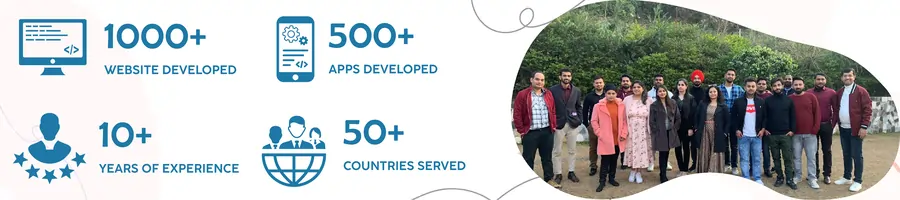
With experience since 2014, Digittrix has developed mobile applications across multiple industries and use cases. Our team builds apps that support secure data handling, smooth performance, and scalability as user numbers grow. We also leverage modern technologies such as AI-based features, AR/VR modules, IoT connectivity, and blockchain-based systems when the project requires them.
Whether you are planning a basic mobile application or a large platform with multiple integrations, our team follows proven development practices that align with current app store guidelines and 2026 user expectations. Each project is managed with clear timelines, documented milestones, and transparent communication.
If you are planning a mobile app and want guidance on MVP scope, costs, development steps, integrations, or technical feasibility, share your requirements through the Digittrix requirement form. We help you move from idea to launch with a clear process and realistic planning.
 FAQ's
FAQ's