 +91-8727000867
 +64 22 003 5555


Highlights
- Over 65% of urban users prefer app-based beauty services at home in 2026.
- Beauty and salon apps reduce booking time by up to 40% for customers across cities.
- On-demand beauty apps help salons increase repeat customers by nearly 30% per year.

Co-Founder
Harsh Abrol 
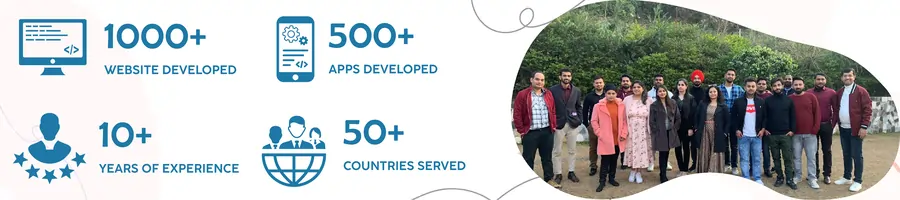
Since 2014, Digittrix has helped companies optimise digital products for stronger conversions.
The beauty and salon market has changed rapidly over the past few years. Customers now prefer booking services through mobile apps rather than making phone calls or visiting salons in person. From home-based grooming to scheduled salon visits, mobile platforms now play a major role in how people choose and receive beauty care. In 2026, this shift has created strong demand for companies that can build stable, user-friendly, and feature-rich beauty applications.
This article explains the beauty app market, the types of mobile solutions in demand, and the companies shaping this space. The focus is on clarity, practical understanding, and real-world needs rather than buzzwords or complex technical details.
Curious about what to include in your salon app? Check Digittrix's beauty salon app features guide to help plan your build!
Growth of Beauty and Salon Apps
The beauty sector has expanded beyond physical salons. Urban lifestyles, busy work schedules, and comfort-focused service models have pushed users toward app-based bookings. Customers want clear pricing, flexible time slots, and trained professionals. Salon owners want digital systems for bookings, payments, staff management, and customer records.
Mobile apps help connect customers with salons and freelance professionals. This shift has also created opportunities for startups and established IT firms to offer beauty-focused app solutions. A skilled beauty app development company now requires expertise in user behaviour, service workflows, and local market trends.
In cities such as Delhi, Mumbai, Bengaluru, Chandigarh, Pune, and Hyderabad, app-based grooming services have become part of everyday life. Tier-2 cities are also catching up as smartphone use and online payments become more common.
Key Types of Beauty and Salon Apps in 2026
Home-Based Beauty Service Apps
Home service apps allow users to book makeup artists, hair stylists, spa therapists, and grooming professionals at their location. These apps focus on scheduling, service categories, professional profiles, and secure payment options. Many companies now specialise in on-demand beauty app development for this segment.
Salon Booking Platforms
These apps connect users with nearby salons. Customers can view services, prices, photos, and customer feedback before booking. Salon owners benefit from automated booking calendars and digital payment records. This model has increased interest in beauty salon app development across.
Multi-Service Beauty Marketplaces
Some apps offer both salon visits and home services. They serve as digital marketplaces where customers compare options and choose professionals based on ratings and pricing. This model has driven demand for advanced beauty services app development that supports different business styles within a single system.
Must-Have Features in Modern Beauty Apps
A well-planned beauty app focuses on usability and a smooth flow. Below are common features expected by users and service providers:
User Side Features
- Simple sign-up using mobile number or email
- Service selection with clear pricing
- Date and time scheduling
- Professional profiles with work samples
- Secure online payment options
- Booking history and service tracking
Service Provider Features
- Profile creation with skills and experience
- Booking acceptance or rejection
- Availability calendar
- Earnings summary
- Service area selection
Admin Panel Functions
- User and professional management
- Commission and payout control
- Service category control
- Customer support access
- App activity monitoring
Companies offering beauty salon mobile app development often build separate panels for customers, service providers, and administrators to keep operations clear.
Brands That Changed Beauty App Usage
Several beauty platforms have shaped how users trust and adopt mobile grooming services. These platforms have also influenced how developers plan and build beauty applications.
Yes Madam has built a strong reputation in metro cities by focusing on trained professionals and fixed pricing. Its growth model has shown developers how trust and service quality affect app success. Many new platforms study 'Yes Madam' when planning user flow and professional onboarding.
GetLook gained attention by offering flexible home services with clear service packages. The app layout and booking flow have guided developers in designing easy-to-use service apps. Learning from GetLook has helped teams understand pricing clarity and time-slot management.
BeautyGlad connects users with nearby beauty professionals for both salon and home services. Its approach to local service discovery has helped developers build location-based booking systems. BeautyGlad's working style highlights the value of simple service listings.
YLG @ Home is a digital extension of a well-known salon brand, bringing its physical services to digital users. This model shows how existing salon chains can move into app-based service delivery. Studying YLG @ Home helps developers understand brand-led beauty apps.
 Planning to Launch Your Own Beauty & Salon App?
Beauty and salon businesses are rapidly moving online. To stay competitive, you need a reliable, easy-to-use mobile app that supports bookings, payments, and service management without complications.
Build a beauty app for your business →What Makes a Beauty App Development Partner Suitable
Choosing a development partner is not just about coding skills. A dependable beauty app development company should understand the daily flow of beauty services and customer expectations.
Key qualities to look for:
- Experience in service-based mobile apps
- Clear communication during planning and execution
- Focus on app performance and user comfort
- Knowledge of payment gateways and booking systems
- Long-term support after app launch
In 2026, clients prefer partners who explain features in simple terms and offer realistic timelines.
Top Beauty App Development Companies
1. Digittrix Infotech
Digittrix Infotech has built a strong reputation for service-based mobile applications. The company works closely with beauty startups and salon chains to design booking systems, service panels, and payment flows. Its approach to beauty salon app development emphasises clear user journeys and smooth service management.
The team also supports admin dashboards, staff scheduling, and customer history tracking, making it suitable for growing salon businesses.
2. Appinventiv
Appinventiv has delivered several lifestyle and service apps. Its teams understand large user bases and high booking volumes. The company often works on scalable, on-demand beauty app development projects for global clients.
It is known for handling complex features such as real-time booking, multiple vendor panels, and secure payment systems.
3. Techugo
Techugo is known for clean app design and stable backend systems. It has worked with wellness and grooming brands seeking flexible app structures. The company supports both Android and iOS platforms with robust testing processes.
Its apps are built to handle future updates, enabling salons to add new services and locations without major changes.
4. EmizenTech
EmizenTech focuses on marketplace-style applications. Its experience with booking platforms makes it well-suited for salons and freelance beauty professionals. The company also provides support for payment integration and admin control systems.
It helps businesses manage multiple service providers, pricing rules, and customer feedback on a single platform.
5. Hyperlink InfoSystem
Hyperlink InfoSystem works with startups and established brands. Its team builds apps with clear navigation and simple service selection. Many salon owners prefer its structured development process. The company also provides long-term maintenance to keep apps stable after launch.
6. RipenApps
RipenApps offers mobile solutions for service-based businesses. The company has experience with grooming and wellness platforms and provides ongoing support after app launch.
Its team focuses on practical features such as service reminders, customer profiles, and booking history management.
7. Konstant Infosolutions
Konstant Infosolutions has developed various service apps, including grooming and wellness solutions. The firm focuses on stable code and smooth app performance.
It works well for businesses that need custom features while keeping the app easy for users to operate.
8. OpenXcell
OpenXcell specialises in large-scale mobile applications. Its development style suits beauty platforms that plan for rapid user growth and multiple service categories.
The company supports advanced reporting tools and admin controls for managing high booking volumes.
9. ValueCoders
ValueCoders offers flexible hiring models and custom mobile solutions. The company supports startups seeking controlled budgets and phased app development. It is a suitable choice for salon businesses that want to build apps step by step in response to market feedback.
10. MindInventory
MindInventory delivers mobile apps with a strong focus on usability. It supports salon chains and individual beauty professionals as they enter the digital space.
The company ensures that apps remain simple for customers while providing business owners with sufficient control.
Development Process for Beauty Apps
Most beauty app projects follow a step-by-step structure:
- Requirement discussion
- Feature planning and wireframes
- UI design approval
- Backend and frontend development
- App testing
- Launch on app stores
- Ongoing updates and support
Companies developing beauty services apps usually involve clients at each stage to avoid confusion and delays.
Cost of Beauty App Development
Pricing depends on app complexity, features, and platform choice. Basic apps cost less, while large marketplaces with advanced features require higher budgets.
Factors affecting cost:
- Number of user panels
- Payment gateway setup
- Location-based services
- App design depth
- Support and maintenance plans
Projects involving beauty salon mobile app development for both Android and iOS usually cost more than single-platform apps.
Future Scope of Beauty Apps
The demand for beauty apps is expected to remain strong. Customers want comfort, time savings, and clear service pricing. Salon owners want digital control and better customer reach.
Apps focused on service quality, professional training, and transparent pricing will continue to grow. Companies that invest in user-friendly planning and consistent support will remain in demand for beauty app development projects.
Monetisation Models Used in Beauty and Salon Apps
A beauty and salon app is not only a service platform but also a strong revenue stream when planned correctly. Most companies offer multiple revenue streams, so business owners are not dependent on just one source.
One common model is commission-based booking, in which the app owner earns a fixed percentage of each completed service. This works well for home-based beauty services and independent professionals. Another widely used method is subscription plans. Customers pay monthly or yearly fees to access special pricing, priority slots, or free add-ons.
Some apps also include featured listings, where service providers pay to appear higher in search results. In-app advertisements are effective when the app has high user traffic. Many salon owners also use package deals and prepaid wallets, which help maintain a steady cash flow.
A balanced revenue plan allows the app to grow without putting pressure on users or service partners.
Security and Data Protection in Beauty Apps
User trust depends heavily on how safely their data is handled. Modern beauty applications store personal details, addresses, payment information, and service history. For this reason, app builders focus strongly on data security practices.
Secure login methods, encrypted payment gateways, and controlled access panels are standard features. Regular system testing helps identify and fix weak points. Backup systems are also important to prevent data loss due to technical issues.
Another important part is user privacy control. Customers should be able to manage notifications, saved details, and communication preferences easily. Clear, simple privacy policies also help users feel confident while using the app.
 Planning to Launch a Beauty or Salon App?
Building a beauty app involves more than just features. Service flow planning, user experience, pricing structure, scalability, and ongoing support all play a key role. Digittrix helps beauty brands and salon owners plan, design, and develop mobile apps that match real business operations.
Role of User Experience in Customer Retention
People often uninstall apps that feel confusing or slow. Beauty and salon platforms must be simple to use from the first screen to the final booking step. Clean layouts, readable text, and clear buttons are key to keeping users active.
Fast-loading screens, easy service selection, and clear price breakdowns help users make quick decisions. Real-time booking updates and order history let customers track services without confusion.
Feedback options within the app also help businesses understand customer expectations and improve services over time.
Admin Panel Features That Matter
Behind every successful beauty service app is a robust admin system. This panel enables business owners to manage daily operations without technical help.
Important features include service management, price control, professional availability, booking schedules, and payment reports. Admins should also be able to handle refunds, offers, and customer complaints from a single place.
Detailed reports on bookings, revenue, and customer activity help owners make informed decisions. A user-friendly admin system saves time and reduces manual effort.
How Development Timelines Usually Work
The time required to build a beauty and on-demand salon app development depends on the features, platform choice, and design needs. A basic version may take a few weeks, while a fully loaded app with custom features can take several months.
Most companies follow a step-by-step process:
- Requirement discussion
- Design planning
- Development phase
- Testing and fixes
- Final launch
Clear communication throughout each stage helps avoid delays and confusion.
Post-Launch Support and Maintenance
Launching the app is only the beginning. Regular updates keep the app running smoothly and compatible with new mobile system updates. Bug fixes, performance checks, and feature updates are part of ongoing support.
Many companies offer long-term maintenance plans, so business owners do not need to worry about technical issues. Continuous improvement helps the app stay useful and competitive in the long run.
Common Challenges Faced by Salon App Owners
New app owners often face challenges such as managing service professionals, handling cancellations, and maintaining service quality. Payment disputes and last-minute booking changes can also cause problems.
Clear service rules, cancellation policies, and rating systems help reduce such issues. Training service professionals on app usage also improves overall service delivery.
Want better engagement on your beauty platform? Check Digittrix’s in-app chat and video consult guide for practical insights!
Final Words
In 2026, beauty and salon apps are no longer optional tools; they are a business requirement. From home-based grooming to salon bookings, mobile platforms help brands stay connected with customers. The company offers a wide range of skilled developers who understand local market needs and service-based business models.
By choosing the right development partner and carefully planning features, beauty brands and salon owners can build apps that support long-term growth and build customer trust.
Build Your Beauty App with Digittrix
Planning to launch a mobile app for your salon, spa, or beauty brand in 2026? Digittrix helps beauty businesses move their services to mobile platforms through clear planning and practical development support. With experience since 2014 in mobile application projects, we focus on beauty app development that helps salons connect directly with customers through easy-to-use digital systems.
Our development team has worked with multiple beauty and wellness businesses, delivering complete solutions for beauty salon app development and on-demand beauty app development. We build apps that support appointment scheduling, online payments, beautician allocation, service tracking, and customer alerts—helping salon owners manage daily operations without confusion.
Whether your requirement is a basic booking app or a full-scale beauty services app development project, Digittrix offers complete assistance from idea planning and technology selection through launch and long-term maintenance. Every app is built around your service flow, pricing model, and customer usage habits.
If you are searching for a professional partner for beauty salon mobile app development, our team offers practical solutions tailored to your business needs and financial plan. Call us at +91 8727000867 to speak with our technical team, or email digittrix@gmail.com for a detailed project discussion and consultation.
Digittrix supports beauty brands in building mobile platforms that help customers book services easily and give salon owners better control over their operations in today’s fast-growing digital beauty market.
 FAQ's
FAQ's