 +91-8727000867
 +64 22 003 5555


Highlights
- Over 85% of companies now use cloud computing in software development.
- Around 60% of software teams are actively using AI in development processes.
- Nearly 75% growth expected in IoT-based software systems by 2030.

Co-Founder
Harsh Abrol 
Since 2014, Digittrix has helped companies optimise digital products for stronger conversions.
Introduction
The world of software is evolving quickly, and understanding the top trending technologies in software has become essential for developers, businesses, and learners. These technologies are reshaping how applications are built, tested, and delivered across industries. From intelligent systems to cloud-based solutions, software development is no longer limited to writing code—it now encompasses smart systems, automation, and data-driven processes.
In this detailed guide, we will explain the latest changes, tools, and methods shaping modern software development. The focus is on clarity and simplicity, so even complex topics are explained in an easy-to-understand way while maintaining depth and accuracy.
Looking to invest wisely in software? Check Digittrix's custom software insights to grow your business efficiently!
Understanding Top Trending Technologies in Software
When we talk about the top trending technologies in software, we are referring to tools and systems that are currently shaping the direction of development. These trends are not just temporary—they are driving long-term changes in how software is designed and used.
Some of the latest software development trends include artificial intelligence, cloud computing, and microservices architecture. These technologies are widely adopted because they help teams build scalable, flexible, and efficient applications.
Developers today focus on writing code that adapts to changing requirements. Instead of building large systems all at once, they work in smaller modules, test continuously, and release updates more frequently. This shift reflects modern users' expectations for fast, smooth digital experiences.
Artificial Intelligence and Top Trending Technologies in Software
Artificial intelligence plays a major role among the top trending technologies in software. It enables applications to perform tasks that typically require human thinking, such as understanding language, recognizing images, and predicting outcomes.
One of the most important AI trends in software development is the use of machine learning models to analyze large datasets. These models improve over time as they process more data, making them highly useful for business and consumer applications.
AI is commonly used in:
- Chatbots for customer service
- Recommendation systems in e-commerce
- Fraud detection in banking
- Voice assistants and smart devices
These applications demonstrate that AI is becoming a core part of software systems rather than an optional feature.
A Quick Note on Changing Development Approaches
Software development services are no longer slow and rigid. Teams now prefer flexible methods that enable quick updates and continuous improvement. This shift facilitates the integration of new tools and technologies without disrupting existing systems.
Cloud Computing and Modern Software Development Tools
Cloud computing is one of the most important modern software development tools shaping the industry. It enables developers to build, test, and deploy applications without managing physical servers.
Cloud platforms provide services such as storage, computing power, and networking, all accessible via the internet. This makes development faster and more efficient.
Key benefits include the following:
- Lower infrastructure costs
- Easy scalability
- Remote access to resources
- Faster deployment cycles
Cloud computing also supports many software development innovations, especially in large-scale applications that require flexibility and speed.
 Build Future-Ready Software with Trending Technologies
Want to implement AI, cloud computing, IoT, or modern software solutions? Connect with Digittrix experts to transform your business with the latest technologies.
Blockchain and Emerging Technologies in Software Development
Blockchain is a key emerging technology in software development. It provides a secure way to store and share data across networks without relying on a central authority.
This technology is widely used in financial systems, but its use is expanding into other areas, including healthcare, logistics, and identity management.
Key features of blockchain:
- Decentralized data storage
- High level of security
- Transparent transaction records
- Support for smart contracts
Developers use blockchain platforms to build decentralized applications that run independently of traditional systems.
Internet of Things and Connected Systems
The Internet of Things (IoT) connects physical devices to the internet, enabling them to collect and exchange data. This technology is used in smart homes, healthcare devices, and industrial systems.
IoT-based software is an important part of the future of software development technologies because it bridges the gap between digital systems and the physical world.
Examples include:
- Smart thermostats and lighting systems
- Wearable health monitors
- Industrial sensors for real-time tracking
- Smart city infrastructure
Developing IoT systems requires knowledge of both software and hardware, making the field unique and growing.
Progressive Web Applications and User Experience
Progressive Web Applications (PWAs) are gaining popularity because they combine the features of websites and mobile apps. They run in a browser yet provide an app-like experience.
PWAs are part of the latest software development trends because they reduce the need to build separate apps for different platforms.
Key features:
- Offline functionality
- Fast loading speed
- Responsive design
- No installation required
Businesses prefer PWAs because they are cost-effective and easy to maintain.
DevOps and Software Development Innovations
DevOps is a practice that connects development and operations teams to improve collaboration. It is a major software development innovation that has changed how applications are built and released.
Instead of working in isolation, teams now share responsibilities and use automated tools to manage the entire development process.
Important DevOps practices:
- Continuous Integration (CI)
- Continuous Deployment (CD)
- Automated testing
- Performance monitoring
These practices help reduce errors and improve the overall quality of software.
Cybersecurity in Modern Applications
As custom software systems grow, security becomes increasingly important. Cybersecurity focuses on protecting data, applications, and networks from threats.
Developers now incorporate security measures at every stage of development. This approach reduces risk and protects sensitive information.
Common security practices:
- Data encryption
- Secure authentication methods
- Regular testing for vulnerabilities
- Access control systems
Security is now a key part of all modern software development tools and processes.
Low-Code and No-Code Platforms
Low-code and no-code platforms enable users to build applications with minimal programming knowledge. They use visual interfaces and pre-built components.
They are useful for businesses that want to build applications quickly without relying solely on developers.
Advantages:
- Faster development
- Reduced coding effort
- Easy updates
- Suitable for beginners
However, complex applications still require traditional coding methods.
Edge Computing and Real-Time Processing
Edge computing processes data closer to its source rather than sending it to a central server. This reduces latency and improves performance.
It is particularly useful for applications that require real-time responses, such as online gaming and IoT systems.
Benefits:
- Faster data processing
- Reduced latency
- Lower bandwidth usage
- Improved system performance
Edge computing works alongside cloud systems to create efficient data processing solutions.
Adopt Modern Software Technologies for Business Growth
From AI and cloud computing to scalable microservices, Digittrix helps you integrate the latest software technologies to improve efficiency and performance.
Microservices Architecture
Microservices architecture divides applications into smaller, independent services. Each service performs a specific function and communicates with others via APIs.
This approach is widely used in large-scale applications because it offers greater flexibility and easier updates.
Advantages:
- Independent development
- Better scalability
- Faster updates
- Reduced system failures
Microservices are a key part of the emerging technologies in the software development landscape.
Containerization and Kubernetes
Containerization packages applications and their dependencies into a single unit, a container. This ensures consistent performance across different environments.
Kubernetes is used to manage these containers, making application deployment and scaling easier.
Key benefits:
- Consistent environments
- Easy scaling
- Efficient resource usage
- Simplified deployment
These tools are widely used in modern software development workflows.
Augmented Reality and Virtual Reality
AR and VR technologies are transforming how users interact with software. AR overlays digital elements on the real world, while VR creates a fully virtual environment.
These technologies are used across gaming, education, and healthcare.
Examples:
- Virtual training programs
- AR-based shopping apps
- Medical simulations
- Interactive gaming experiences
They represent an exciting part of the future of software development technologies.
Big Data and Analytics
Big data refers to large volumes of data that require advanced tools for processing. Data analytics helps extract useful information from this data.
Businesses use analytics to understand customer behavior, improve services, and make better decisions.
Uses:
- Market analysis
- Performance tracking
- Customer insights
- Predictive modeling
Big data is closely linked to AI and cloud computing, making it an important part of modern systems.
5G Technology and Connectivity
5G technology delivers faster internet speeds and lower latency than previous networks. It supports advanced applications such as IoT and real-time communication.
Impact on development:
- Faster mobile apps
- Improved streaming
- Better connectivity for devices
- Support for advanced technologies
As 5G expands, developers will create more advanced and responsive applications.
Serverless Computing
Serverless computing allows cloud developers and Node.js developers to build applications without managing servers. The cloud provider handles the infrastructure.
Benefits:
- No server management
- Pay-per-use model
- Quick deployment
- Easy scaling
This approach simplifies development and reduces operational complexity.
Robotic Process Automation
Robotic Process Automation (RPA) uses software bots to automate repetitive tasks, including data entry, processing, and other routine activities.
Advantages:
- Saves time
- Reduces errors
- Improves productivity
- Handles repetitive work efficiently
RPA is widely used in industries such as banking and healthcare.
Facing business challenges? See how Digittrix's custom software approach helps overcome them effectively.
Final Words
The top trending technologies in software are shaping how applications are built and used worldwide. From AI and cloud computing to blockchain and IoT, each technology plays a key role in modern development.
Understanding these trends helps developers and businesses make better decisions and stay prepared for future changes. As new tools and systems continue to emerge, keeping up with these advancements will remain essential to success in software development.
Top Trending Technologies in Software Development with Digittrix
Struggling to keep up with the top trending technologies in software and unsure how to apply them to your business? It’s time to move toward smarter, data-driven solutions that improve performance, reduce inefficiencies, and support better planning. At Digittrix, we help businesses adopt modern technologies that simplify development processes and bring clarity to digital operations.
Our experienced team builds intelligent systems with advanced tools, including artificial intelligence, cloud computing, and automation. These solutions align with the latest software development trends, helping businesses stay competitive in a fast-changing digital environment. Whether you want to modernize existing systems, build scalable applications, or improve operational workflows, we create solutions that match your goals.
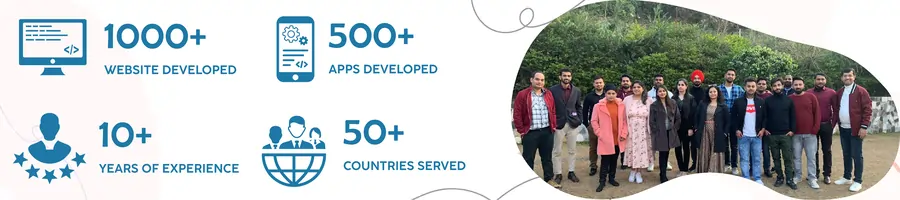
Digittrix is a trusted website and app development company with experience since 2014. We focus on delivering scalable, practical solutions that leverage emerging technologies in software development. Our approach ensures that businesses can adopt new systems without disruption while improving efficiency and long-term performance.
If you are unsure how to get started, our experts are here to guide you at every step—from understanding your current systems to selecting the right tools and planning implementation. Schedule a consultation today by calling +91 8727000867 or emailing digittrix@gmail.com to build future-ready software solutions for your business.
 FAQ's
FAQ's