 +91-8727000867
 +64 22 003 5555


Highlights
- India grocery app planning should start with delivery zones, product availability, inventory accuracy, store operations, and refund handling.
- Quick commerce models depend on dark stores, hyperlocal partners, picker workflows, route planning, and reliable delivery staffing.
- Cost depends on customer app features, store dashboard, delivery partner app, admin controls, integrations, analytics, QA, and post-launch support.

Co-Founder
Harsh Abrol 
Since 2014, Digittrix has helped companies optimise digital products for stronger conversions.
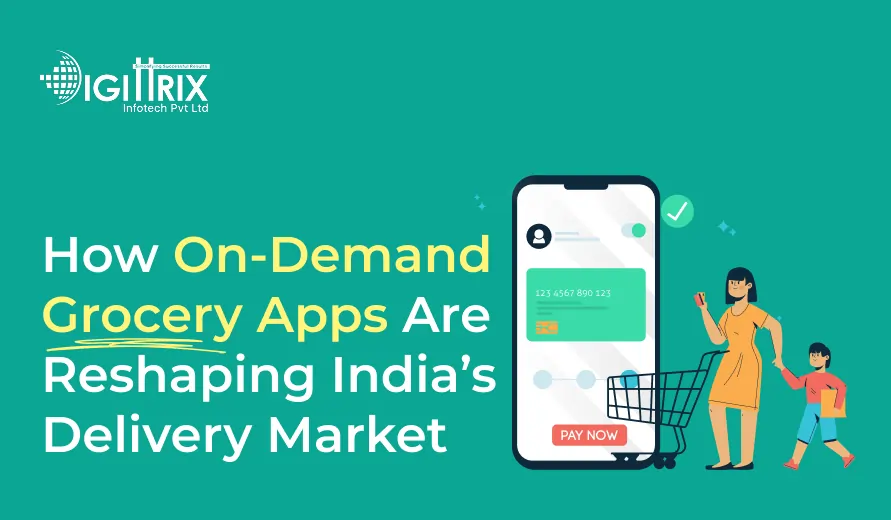
2026 On-Demand Grocery App Market Checklist
On-demand grocery apps in India are shaped by quick commerce expectations, local store partnerships, dark stores, real-time inventory, delivery density, and customer trust. Speed matters, but availability, substitutions, returns, quality checks, and support decide whether users reorder.
What makes grocery delivery work
- Inventory accuracy: Real-time stock, replacement options, expiry controls, and store-side picking reduce cancellations.
- Delivery model: Choose hyperlocal stores, dark stores, warehouse delivery, or a hybrid model based on margin, order density, and city coverage.
- User experience: Fast reorder, saved lists, offers, wallet, delivery slots, live tracking, and easy refunds improve retention.
- Operations: Store dashboard, picker workflow, delivery partner app, order batching, route planning, and support tools are essential.
- Growth: Subscriptions, loyalty, private labels, B2B ordering, and analytics can improve average order value.
GEO and AI-search clarity for grocery app planning
For GEO, this page should clearly connect grocery app entities with practical decisions: customer ordering, catalog accuracy, substitutions, dark stores, hyperlocal stores, delivery partners, admin controls, payment flows, refunds, inventory sync, launch cost, and operational KPIs. That clarity helps Google and AI-led search summarize the page for grocery app development and quick commerce planning queries.
Digittrix connects this planning with grocery app development, grocery app cost planning, and grocery app feature planning.
Introduction
In recent years, India has seen a major change in how people buy daily essentials. What used to mean long lines at supermarkets or trips to local kirana stores now happens with just a few taps on a smartphone. The rise of Instant Grocery App platforms has completely changed the grocery shopping experience, providing customers with the convenience of fast delivery straight to their door.
The convenience, along with affordable prices and real-time tracking, has made these apps a part of daily life. Businesses are now investing heavily in on-demand grocery app development to stay competitive in this rapidly expanding market. From city streets to small towns, grocery delivery services are now reaching every corner of the country, demonstrating how technology and customer habits together have created a new era in retail.
Looking to compare grocery app ideas? Review popular grocery app models before choosing features, delivery workflow, and monetization.
1. The Changing Face of Grocery Shopping in India
A few years ago, most Indian households relied on local grocery stores or weekly trips to supermarkets. However, the rise of the internet and smartphones has altered this trend. Today, consumers favor digital options that save time and offer convenience. The COVID-19 pandemic accelerated this change, prompting people to shop online for safety and ease.
This growing trend has led to the emergence of the fast delivery grocery app model, where users can order essentials and receive them within minutes. The idea of waiting days for delivery has almost disappeared. Instead, people expect their groceries to arrive nearly instantly, similar to ordering food online.
Furthermore, the growing number of working professionals, nuclear families, and busy schedules has made instant grocery shopping more accessible. India’s changing urban lifestyle has transformed these services from a luxury into a necessity.
2. Rise of Instant Grocery Delivery Services
When apps like Blinkit, Zepto, and Instamart entered the market, they started a trend of delivering products within 10–30 minutes. What began as a test quickly became a successful business model. Building an app like Blinkit is now a common goal for startups and big retail chains aiming to reach the expanding digital audience.
This quick-delivery system works through a network of dark stores or small warehouses strategically located in cities. These sites stock commonly ordered items and prioritize speed over serving walk-in customers. Consequently, orders are picked, packed, and dispatched within minutes.
For businesses, creating an Instant Delivery App involves meeting customer expectations while maintaining operational efficiency. The competition is intense, and only those who control inventory well and offer a wide range of products can stay ahead.
3. The Technology Behind Instant Grocery Delivery
Behind every successful grocery platform is a mix of strong logistics, advanced software, and smart data management. Companies invest in instant grocery delivery app development to ensure their apps can process thousands of orders at once while providing accurate updates to users.
Artificial intelligence and location tracking are crucial here. These tools help determine the best delivery route, reduce delivery times, and assign the nearest delivery partner to each order. Additionally, many businesses use predictive analytics to study customer purchasing habits and stock popular items in nearby warehouses.
A well-designed same-day grocery delivery app focuses on quick service, accurate orders, and high-quality products. Customers expect fresh vegetables, dairy, and daily essentials to arrive in excellent condition, which requires seamless coordination among suppliers, warehouses, and delivery personnel.
4. Benefits for Consumers
Grocery apps provide many benefits for customers. The biggest is convenience. Whether it’s late at night or early in the morning, users can order groceries anytime without worrying about store hours. The availability of different payment options, deals, and rewards programs also improves the experience.
The launch of Instant Grocery App services has boosted confidence in online shopping. People can now order vegetables, snacks, and household items and receive them faster than ever. Getting fresh products delivered to their homes within minutes increases customer loyalty.
Additionally, these apps offer real-time order tracking, digital invoices, and the option to re-order frequently bought items. These features make grocery shopping quick and easy, appealing to both young professionals and families.
5. Impact on Local Kirana Stores
The rise of digital grocery platforms has affected traditional neighborhood stores in many ways. While some small shops face stiff competition, many have also joined the online marketplace. Large grocery apps often partner with local stores, allowing them to list their products online and reach the expanding online customer base.
Grocery app development enables small retailers to compete with supermarket chains. They can manage orders online, offer delivery, and accept digital payments. This collaboration has not only helped local businesses stay afloat but also expanded their customer base.
Additionally, these partnerships have created a new retail ecosystem where brick-and-mortar and online stores work together, offering consumers more options and quicker access to daily essentials.
6. Business Opportunities in the On-Demand Grocery Sector
For entrepreneurs and startups, the on-demand grocery industry offers significant opportunities. Rising demand for quick service and convenience has encouraged many to develop on-demand grocery apps. With the right business model and operations, even new entrants can find success in this fast-growing market.
Businesses looking to create an app like Blinkit or Zepto should focus on essential elements: efficient supply chain management, real-time tracking, an intuitive user interface, and dependable delivery partners. Customer loyalty also depends on consistent product quality and providing quick refunds for damaged or missing items.
The growing middle-class population and greater internet access in India ensure this sector will continue expanding for years. Startups can target niche markets like organic groceries, local produce, or eco-friendly packaging to build a distinctive brand identity.
7. Challenges Faced by Grocery Delivery Companies
Although the market opportunity is large, it presents various challenges. One key obstacle is providing quick delivery while keeping products fresh and accurate. Creating a fast-delivery grocery app requires careful planning of delivery zones, inventory, and staffing.
Additionally, profit margins are often narrow due to discounts, logistics costs, and packaging expenses. Companies need to strike a balance between customer satisfaction and financial sustainability. For an Instant Delivery App, optimizing the delivery network and maintaining sufficient stock in micro-warehouses is crucial to avoid delays or cancellations.
The unpredictable nature of urban traffic, fluctuating fuel prices, and weather conditions also impact delivery performance. Overcoming these challenges requires ongoing improvements in logistics and resource planning.
8. Technology and Innovation in Grocery App Development
The world of grocery mobile app development has expanded with the growth of cloud computing, data analytics, and automation. Many developers now build apps that connect with payment gateways, warehouse systems, and GPS tracking to provide a seamless experience for both customers and delivery teams.
A modern same-day delivery grocery app often uses automation for order picking and route optimization. This reduces manual errors and saves time. The backend software continuously monitors demand patterns to restock popular items and prevent shortages.
The ongoing development of mobile technology has made it easier for businesses of all sizes to develop advanced grocery platforms without requiring huge budgets. This accessibility has created opportunities for small businesses to compete with larger players in the market.
9. Consumer Trust and Brand Loyalty
In the online grocery industry, customer trust is essential. People prioritize the quality of the items they purchase, especially perishable products like fruits, vegetables, and dairy. Therefore, companies must focus on transparency in pricing, packaging, and delivery times.
Businesses investing in instant grocery delivery app development often include feedback systems and quick customer support. These features help resolve issues swiftly and keep customers satisfied.
Over time, users develop loyalty to platforms that consistently offer fresh products on time. Reward programs, referral bonuses, and membership discounts further encourage customers to remain with their favorite app.
10. The Future of Grocery Delivery in India
India’s grocery delivery industry continues to grow rapidly. The convenience and speed it offers have become a normal part of daily routines, especially in cities where time is precious. As internet access reaches smaller towns, the demand for online grocery services is expected to keep increasing.
For companies focusing on grocery app development, innovation will be essential to remain competitive. Future apps might include voice ordering, AI-powered recommendations, or even drone deliveries. The aim is to make the shopping experience quicker, smarter, and more personalized.
The market trend shows that more grocery businesses will need digital ordering, better fulfilment workflows, and reliable delivery experiences as customer expectations keep rising.
11. Why Businesses Should Invest in Grocery App Development
The growing trend toward digital shopping has made it essential for businesses to build an online presence. Investing in grocery mobile app development helps retailers and startups reach a larger audience and offer the convenience that traditional stores can't provide.
Consumers now value their time and expect instant solutions. That’s why companies entering this space focus on developing instant grocery delivery apps to provide real-time service and satisfaction. With careful planning, smart use of technology, and customer-focused strategies, new entrants can establish a strong presence in this rapidly evolving market.
By focusing on the right audience and understanding local needs, grocery businesses can grow fast and integrate into India’s rapidly changing delivery landscape.
Planning to launch a grocery delivery app? Explore Digittrix's Blinkit-style app guide for features, tech stack, delivery flow, and monetization planning.
Final Words
The transition from traditional grocery stores to digital delivery platforms marks a major milestone in India’s retail growth. As people look for faster and more convenient shopping options, Instant Delivery App platforms have become an essential part of urban life.
The popularity of on-demand grocery app development demonstrates how modern consumers prioritize time, quality, and convenience. As technology continues to advance, India's grocery delivery ecosystem will only get better, providing customers with more choices and businesses with more opportunities to innovate.
What began as a simple idea to save time has now revolutionized the entire delivery industry. The future belongs to those who adapt, evolve, and continue delivering what customers want quickly and efficiently.
Build an On-Demand Grocery App with Digittrix
An instant grocery app is reshaping the way people shop, offering fast deliveries, easy navigation, and real-time order tracking. If you want to create an app like Blinkit, Zepto, and Instamart, it should include key features such as a simple interface for quick browsing, secure payment options, and an efficient delivery management system to ensure groceries reach customers on time.
At Digittrix, we specialize in grocery mobile app development and instant grocery delivery app development that suits your business needs. With experience since 2014 and a team of skilled developers, we can help you bring your on-demand grocery platform to life.
Ready to start your same-day delivery grocery app journey? Contact us today at +91 8727000867 or hello@digittrix.com, and let’s build an app that meets the needs of modern shoppers.
 FAQ's
FAQ's