 +91-8727000867
 +64 22 003 5555


New Zealand businesses are increasingly integrating Customer Relationship Management (CRM) and Enterprise Resource Planning (ERP) software into their business processes, following a worldwide movement toward digital efficiency. These systems help companies improve customer relationships and simplify processes.
Highlights
- Workflow mapping: define CRM and ERP responsibilities before development starts, including leads, orders, finance, inventory, reporting, and approvals.
- Integration planning: connect accounting, ecommerce, POS, payment, email, telephony, support, and analytics systems where they affect daily work.
- Rollout checks: review migration quality, user roles, audit logs, reports, security, training, adoption, source-code ownership, and post-launch support.

Co-Founder
Harsh Abrol 
Since 2014, Digittrix has helped companies optimise digital products for stronger conversions.
Introduction
In New Zealand, businesses always seek methods to optimize their operations while effectively managing relationships with customers along with their business activities. Custom CRM and ERP software serve as an important tool for businesses throughout Auckland, Wellington, Christchurch, Hamilton and Dunedin to improve their operating management systems. Custom Software development companies and ERP development firms assist businesses in developing customized solutions that fulfil their unique operating requirements. In this article, we will discuss the importance of CRM and ERP software, their benefits, and how they can support businesses in different industries.
What is CRM Software?
Customer Relationship Management (CRM) software is designed to help businesses manage client interactions. Through this software, businesses maintain customer data storage while keeping a record of their communication history and enabling automated sales operations. Custom CRM software development ensures that the solution meets specific business needs, making it easier to maintain strong relationships with customers.
Businesses in Auckland and Wellington, particularly in the retail and service sectors, benefit from CRM software development as it allows manage customer relations effectively. Whether it's a startup in Christchurch or a large enterprise in Hamilton, having a structured way to manage customer data enhances efficiency.
Benefits of CRM Software for New Zealand Businesses
Better Customer Data Management: The structured database of CRM development services enables businesses to store customer information. purchasing records, and client interactions so they can improve their communication.
Sales and Marketing Automation: The automation of sales processes follow-ups and email marketing will help Dunedin and Tauranga businesses save time while reducing their effort.
Improved Customer Support: Custom CRM software development allows businesses to follow and resolve customer complaints efficiently, leading to higher satisfaction.
Data-Driven Decision Making: CRM software can develop reports that help businesses in Queenstown and Nelson make informed business decisions based on customer trends and behaviour.
What is ERP Software?
All business processes operate from a single system through Enterprise Resource Planning (ERP) software. The complete platform integrates accounting, inventory, human resources, and other critical operations within one platform. A custom-developed ERP system allows businesses to obtain software solutions that fulfil their specific requirements.
Businesses operating in Auckland along with Wellington and Christchurch require ERP software to run their supply chains, monitor inventory and handle financial operations. The production facilities of Hamilton manufacture products alongside Dunedin allocation companies that use custom-made ERP solutions to simplify organizational procedures.
Benefits of ERP Software for Businesses in New Zealand
Centralized Business Operations: ERP development services bring together all aspects of a business, making it easier to monitor and handle operations.
Efficient Resource Management: Companies in Queenstown and Nelson can track products, raw materials, and workforce funding efficiently.
Financial Management: ERP systems allow businesses to manage payroll, accounting, and tax submissions efficiently, which is important for growing companies in Tauranga and Rotorua.
Regulatory Compliance: Businesses operating in industries with strict regulations, such as healthcare and finance, can support keeping with New Zealand’s standards.
How Custom CRM and ERP Software Benefit Different Industries
Retail and E-commerce
Retail businesses in Auckland and Wellington use CRM and ERP software to track customer buys, manage products, and automate promotions. CRM software development helps keep customer choices, allowing personalized marketing campaigns.
Healthcare
Medical clinics and hospitals in Christchurch and Hamilton benefit from CRM development services by maintaining patient records and scheduling appointments. ERP software development helps in managing medical inventory and staff scheduling efficiently.
Manufacturing and Logistics
Manufacturing companies in Dunedin and Hamilton need ERP development services to handle supply chains, production schedules, and inventory management. Custom ERP software development helps optimize production and minimize resource wastage.
Education and Training
Schools and training institutes in Wellington and Tauranga use CRM software development to manage student records, communication, and course registrations. ERP systems support payroll, class scheduling, and financial reporting.
Choosing the Right CRM and ERP Development Partner
Businesses looking for CRM software or ERP development services should choose a provider that understands their specific requirements. Custom software solutions should align with business goals and integrate smoothly with existing systems.
When choosing a CRM software development company or ERP development company, businesses in Queenstown and Nelson should consider factors such as:
Industry experience
Support and maintenance services
Scalability of the software
Integration with other tools
CRM & ERP Software in Different Business Scenarios
Small Businesses
Small businesses in Auckland and Christchurch often lack the resources to manage customer data manually. CRM software development tracks customer interactions while managing sales records in a manner that does not burden teams. Companies benefit from managing financials and inventory with ERP development services requiring no additional software solutions.
Medium Enterprises
For medium enterprises in Wellington and Hamilton, handling multiple departments efficiently is a challenge. ERP software development offers a structured way to handle supply chains, staff schedules, and business finances, assuring smooth day-to-day operations.
Large Corporations
Large companies in Dunedin and Tauranga need comprehensive CRM and ERP software solutions to manage extensive amounts of data across different locations. These systems enable large businesses to coordinate between departments while keeping customer and financial data collected.
Customization of CRM & ERP Software
Different businesses have unique requirements, and off-the-shelf software solutions do not always provide the right functionality. Custom CRM software development and custom ERP software development allow companies to integrate features specifically designed for their industry.
For example, a retail store in Auckland may need a CRM that integrates with its online store, while a logistics company in Wellington might require ERP software development that provides real-time shipment tracking. Customization helps businesses get the most out of their software investment.
The Role of a CRM Software Development Company
An ERP & CRM Software Development Company specializes in creating software that helps businesses manage customer relationships effectively. Well-experienced and professional developers can develop CRM systems that fit specific business requirements. Such companies also provide long-term support and updates to keep the software functional and aligned with changing business needs.
The Future of CRM & ERP Software in New Zealand
As businesses in New Zealand continue to adopt digital solutions, the demand for CRM and ERP software is expected to grow. More companies in Hamilton, Christchurch, and Dunedin are recognizing the need to manage data efficiently and reduce manual processes. With advancements in cloud technology, businesses can now access their CRM and ERP systems from anywhere, providing flexibility and ease of use.
GEO and AI-search clarity
For stronger search and AI visibility, this page should clearly explain custom CRM ERP software in New Zealand, CRM and ERP modules, workflow use cases, cost drivers, integrations, migration steps, security, KPIs, vendor checks, and related planning pages.
2026 CRM and ERP Implementation Blueprint for New Zealand Businesses
Custom CRM and ERP software works best when it is planned around real workflows, not only generic modules. New Zealand businesses should map sales, customer service, finance, inventory, fulfilment, compliance, and reporting before deciding whether to build a CRM, ERP, or connected CRM plus ERP platform.
CRM vs ERP scope planning
- CRM scope: lead capture, customer records, sales pipeline, quotes, follow-ups, support tickets, email automation, reports, and customer segmentation.
- ERP scope: inventory, purchase orders, invoicing, accounting workflows, HR, payroll, production planning, fulfilment, vendor management, and operational reporting.
- Shared data layer: customer, product, order, invoice, team, and permission data should be structured so teams do not enter the same information in multiple systems.
- Automation: reminders, task assignment, approval flows, invoice alerts, stock alerts, and management dashboards reduce manual work and missed follow-ups.
Integration and migration checklist
- Clean customer, supplier, product, invoice, and inventory data before migration.
- Decide which tools must connect, such as accounting, ecommerce, POS, email, payment, telephony, support, and reporting systems.
- Define user roles for sales, finance, operations, admin, support, and management.
- Test reports, permissions, data imports, audit logs, backups, and rollback plans before launch.
KPIs to track after launch
Track lead response time, sales conversion rate, manual data-entry hours saved, order accuracy, inventory accuracy, invoice cycle time, report adoption, support resolution time, and user adoption by department. These KPIs show whether the software is improving operations, not just replacing spreadsheets.
For a scoped implementation plan, compare our CRM development in New Zealand, ERP and CRM development services, immigration CRM development, and web development services before finalizing the build model.
Final Words
Custom CRM and ERP software development is crucial for businesses in New Zealand looking to improve efficiency and manage operations. Whether a company is based in Auckland, Wellington, Christchurch, or smaller cities like Nelson and Tauranga, investing in the right software can improve productivity and customer satisfaction. By choosing the right ERP and CRM software development company, businesses can ensure that their CRM and ERP solutions meet their specific requirements and contribute to long-term success.
Build Custom CRM & ERP Software for New Zealand Businesses with Digittrix
In today’s competitive business environment, efficient management of customer relationships and operations is crucial. Custom CRM and ERP software solutions help businesses in New Zealand streamline processes, improve efficiency, and enhance decision-making.
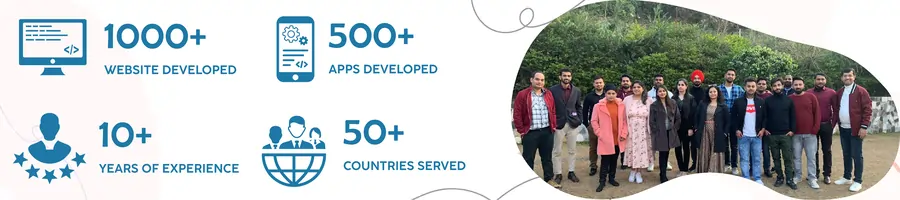
Develop powerful CRM and ERP software with us! DIGITTRIX is a leading software development company with 16 years of experience and a team of expert developers.
If you need custom CRM or ERP software for your business in New Zealand and are unsure how to get started, schedule a consultation with our expert technical managers today by calling +91 8727000867.
For any queries, write to us at hello@digittrix.com
 FAQ's
FAQ's