 +91-8727000867
 +64 22 003 5555


Highlights
- Around 65% of businesses adopt PWAs for faster performance and better user reach.
- Nearly 70% of developers use modern web development technologies for projects.
- Over 60% of sites follow current trends in web design for improved engagement.

Co-Founder
Harsh Abrol 
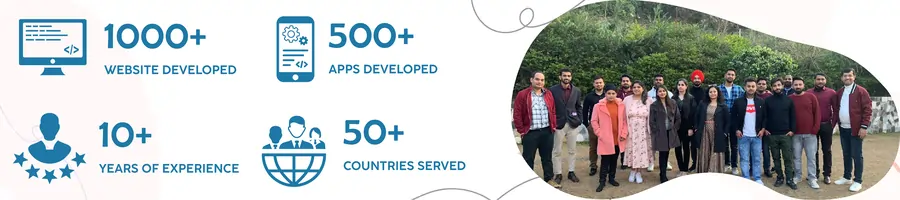
Since 2014, Digittrix has helped companies optimise digital products for stronger conversions.
Introduction
Latest trends in web development continue to evolve as businesses, developers, and users expect faster, safer, and more interactive digital experiences. Modern websites are no longer just static pages; they are dynamic platforms that handle complex tasks, from online shopping to real-time communication. As part of evolving web development trends in 2026, developers must keep up with current practices to build websites that perform well and meet expectations.
This article explains the latest trends in web development in a clear, simple way. It covers front-end and back-end changes, along with design, performance, and security improvements. Whether you are a beginner or an experienced developer, this guide will help you understand what is shaping the web today and the future of web development.
Upgrade your website experience with modern trends. Explore Digittrix’s web design guide today!
Latest Trends in Web Development in AI-Powered Web Experiences
Artificial intelligence is becoming a major part of the latest trends in web development. Websites now use AI to improve user interaction and deliver personalized content. For example, chatbots can answer questions instantly, and recommendation systems can show products or articles based on user behavior.
AI is also helping developers write code faster through code-suggestion tools. These tools reduce manual work and help identify errors early. On the user side, AI supports voice search, smart filtering, and automated customer support.
Key uses of AI in web development:
- Chatbots for customer service
- Content recommendations
- Voice search optimization
- Automated testing and debugging
Progressive Web Apps (PWAs) and Modern Web Development Technologies
Progressive Web Apps are web applications that behave like mobile apps. They can work offline, send push notifications, and load quickly even on slow internet connections. These are part of modern web development technologies that are seeing strong adoption.
Businesses prefer PWAs because they are more cost-effective and easier to maintain than separate mobile apps. Users benefit from faster load times and better performance.
Main features of PWAs:
- Offline functionality
- Fast loading speed
- Mobile-friendly interface
- Push notifications
Single-Page Applications and Front-End and Back-End Trends
Single Page Applications load a single HTML page and update content dynamically without reloading the entire page. This results in faster navigation and a smoother user experience, reflecting key front-end and back-end trends.
Frameworks such as React, Angular, and Vue are commonly used to build SPAs. These frameworks enable developers to create interactive interfaces that respond quickly to user actions.
Benefits of SPAs:
- Faster page transitions
- Reduced server load
- Better user experience
- Easy integration with APIs
Motion UI and Current Trends in Web Design
Modern websites focus heavily on user experience, and motion design plays an important role. Animations, transitions, and interactive elements are current trends in web design that improve usability.
Motion UI helps guide users by providing visual feedback. For example, buttons can change color when clicked, or images can move when hovered over. These small details improve usability and keep users engaged.
Examples of motion UI:
- Animated buttons
- Smooth scrolling effects
- Loading animations
- Hover effects
Latest Trends in Web Development for Voice Search Optimization
Voice search is growing rapidly as more people use smart devices such as smartphones and voice assistants. Websites must now be optimized for voice queries, which are typically longer and more conversational than text searches. This is another key area in the latest trends in web development services.
To adapt to this trend, developers and content creators focus on natural-language and question-based content. This helps websites rank higher in voice search results.
Tips for voice search optimization:
- Use simple and clear language
- Answer common questions
- Focus on long-tail keywords
- Improve page loading speed
 Turn Your Website into a Growth Engine
Build scalable and user-friendly web solutions that help your business attract, engage, and convert customers.
Serverless Architecture and New Web Development Tools and Frameworks
Serverless architecture enables developers to build and run applications without managing servers. Many new web development tools and frameworks now support this model.
This approach reduces costs and improves scalability, making it especially useful for applications with varying traffic levels.
Advantages of serverless architecture:
- Reduced operational cost
- Automatic scaling
- Faster deployment
- Less server management
API-First Development
API-first development focuses on building APIs before creating the front end. This approach enables different parts of an application to communicate easily and makes it easier to connect with other services.
APIs are essential for modern web applications, especially those that span multiple platforms, such as mobile apps, websites, and third-party services.
Why API-first is important:
- Better flexibility
- Faster development process
- Easy integration with other systems
- Improved scalability
Cybersecurity and Data Protection
As web application development continues to evolve and applications become more complex, security is more important than ever. Cyber threats, including data breaches, phishing, and malware attacks, are on the rise.
Developers are prioritizing robust security measures to protect user data. These include encryption, secure authentication methods, and regular updates.
Common security practices:
- HTTPS encryption
- Two-factor authentication
- Secure coding practices
- Regular security testing
Dark Mode Standardization
Dark mode has become a popular feature in modern web design. It reduces eye strain and conserves battery life on mobile devices. Many websites now offer both light and dark themes, allowing users to choose their preferred mode.
Designing for dark mode requires careful color selection to ensure readability and visual balance.
Benefits of dark mode:
- Better user comfort
- Reduced eye strain
- Improved battery efficiency
- Modern appearance
WebAssembly (Wasm)
WebAssembly enables developers to run high-performance code in the browser. It is particularly useful for applications that require intensive processing, such as games, video-editing tools, and data visualization platforms.
With WebAssembly, developers can use languages such as C, C++, and Rust to build web applications that run at near-native speed.
Use cases of WebAssembly:
- Browser-based games
- Video and audio editing tools
- Complex calculations
- Data visualization
Low-Code and No-Code Development
Low-code and no-code platforms are making web development accessible to non-developers. These platforms enable users to build websites and applications with visual tools rather than writing code.
While they may not replace traditional development, they are useful for simple projects and for quick prototypes.
Benefits of low-code/no-code platforms:
- Faster development
- No deep coding knowledge required
- Cost savings
- Easy maintenance
Create High-Performance Websites That Drive Results
Boost speed, security, and user experience with modern web development solutions tailored to your business needs.
Headless CMS
A headless CMS separates the content management system from the front end, allowing frontend developers to deliver content seamlessly across multiple platforms, including websites, mobile apps, and smart devices.
Unlike traditional CMS platforms, a headless CMS offers greater flexibility in design and content delivery.
Advantages of headless CMS:
- Greater flexibility
- Multi-platform content delivery
- Faster performance
- Better scalability
Micro Frontends
Micro frontends break a large web application into smaller, manageable parts. Each part can be developed and maintained independently, making the development process more organized and efficient.
This approach is useful for large teams working on complex applications.
Benefits of micro frontends:
- Easier maintenance
- Independent development
- Faster updates
- Better scalability
Real-Time Web Applications
Real-time applications let users see updates instantly without refreshing the page. Examples include chat apps, live notifications, and online collaboration tools.
Technologies like WebSockets and real-time databases make this possible.
Examples of real-time features:
- Live chat systems
- Instant notifications
- Real-time data updates
- Online collaboration tools
Sustainability in Web Development
Sustainability is increasingly important in web development. Developers are focusing on reducing energy consumption and improving website efficiency.
Lightweight design, optimized images, and efficient coding practices help reduce websites' environmental impact.
Ways to build eco-friendly websites:
- Optimize images and media
- Reduce unnecessary scripts
- Use efficient hosting services
- Improve loading speed
From planning to launch—get everything right. Explore Digittrix’s web development process guidefor better performance and growth.
Final Words
The latest trends in web development are moving toward a focus on speed, user experience, and flexibility. Trends such as AI integration, progressive web apps, serverless systems, and real-time features are shaping how websites are built and used.
At the same time, security, accessibility, and sustainability are equally important. Developers who stay current with these trends can build modern web applications that meet current user expectations and business needs.
By understanding these changes and applying them wisely, you can create websites that are not only functional but also future-ready for web development.
Build Future-Ready Digital Platforms with Digittrix’s Web Development Expertise
Understanding the latest trends in web development is essential for businesses seeking to build fast, secure, and user-friendly websites. From interactive interfaces and real-time features to scalable architectures and performance-focused design, modern web solutions are reshaping how companies connect with their audience. At Digittrix, we help businesses adopt modern web practices that enhance website functionality, streamline processes, and support long-term growth.
With experience since 2014 in digital solution development, our team builds advanced web applications with modern tools and frameworks. Whether it’s developing responsive websites, building dynamic web platforms, or integrating smart features to enhance user interaction, we deliver solutions that meet real business needs. Our approach focuses on performance, usability, and flexibility, ensuring your web platform stays relevant as technology evolves.
Planning to upgrade your website or build a new web platform aligned with the latest trends in web development? Hire expert developers at Digittrix today. We offer transparent pricing, flexible engagement models, and customized solutions tailored to your business goals.
Ready to build modern web solutions? Schedule a consultation with Digittrix today by calling +91 8727000867 or emailing us at digittrix@gmail.com. Let Digittrix help you turn web development ideas into practical digital solutions that drive growth and enhance the user experience.
 FAQ's
FAQ's