 +91-8727000867
 +64 22 003 5555


Integrating WhatsApp API into ERP/CRM systems increases customer engagement, improves response times, boosts sales conversions and leads to increased business efficiency.
Highlights
- Connected communication: bring WhatsApp messages, lead records, order updates, support tickets, and reminders into the ERP or CRM workflow.
- Automation fit: use approved templates for follow-ups, order status, payment reminders, appointment alerts, support updates, and feedback requests.
- Implementation checks: confirm consent, message templates, API limits, user roles, data mapping, reporting, fallback handling, and security before launch.

Co-Founder
Harsh Abrol 
Since 2014, Digittrix has helped companies optimise digital products for stronger conversions.
Introduction
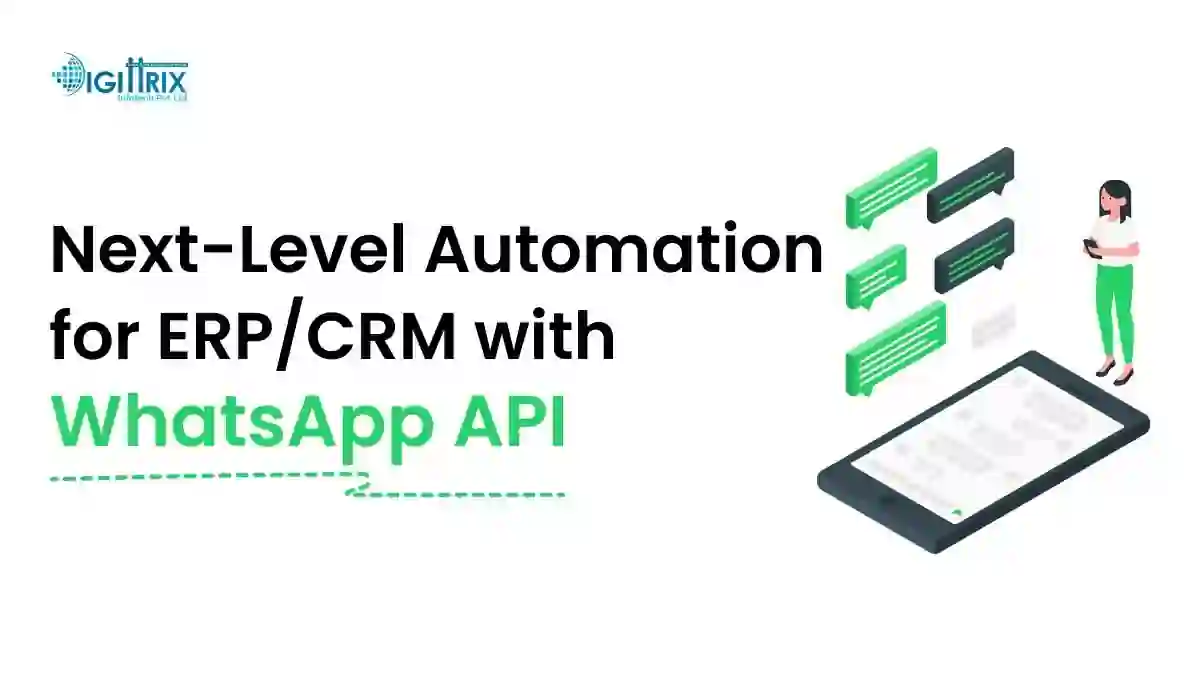
Integrating WhatsApp API into ERP (Enterprise Resource Planning) and CRM (Customer Relationship Management) systems has become a game-changer for businesses looking to improve communication, customer engagement, and operational efficiency. WhatsApp is one of the most widely used messaging platforms globally, making it a valuable tool for businesses to reach their customers where they are. When combined with ERP and CRM, businesses can leverage WhatsApp's real-time communication capabilities to simplify their processes, improve customer interactions, and ultimately improve business outcomes.
Struggling with disconnected business systems? Read this guide on ERP integration to understand how connected platforms can reduce manual work and improve decision-making across departments.
Centralized Communication
Integrating WhatsApp API into your ERP/CRM system centralizes customer communication. Instead of relying on multiple communication channels like email, phone calls, or social media, all customer interactions can be routed through a single platform. This integration consolidates customer inquiries, feedback, and updates in one place, making it easier for your team to access information and respond quickly. Whether it’s an order update or a service inquiry, having all the communications in a centralized system reduces errors and ensures no customer message goes unnoticed.
For businesses seeking a comprehensive solution to manage customer interactions, choosing an ERP/CRM development company to implement this integration can help simplify operations.
Real-Time Customer Engagement
One of the most significant benefits of integrating WhatsApp with CRM software development is the ability to engage customers in real-time. WhatsApp is an instant messaging platform, which means your business can communicate with customers as soon as they reach out. Whether it’s answering a query, providing product details, or resolving a complaint, the ability to reply instantly improves customer satisfaction.
WhatsApp API integration becomes useful when customer conversations, CRM records, ERP updates, reminders, support ownership, and reporting need to stay connected instead of being managed across separate phone inboxes and spreadsheets.
 Still Managing Customer Messages Outside Your ERP/CRM?
Digittrix helps businesses integrate WhatsApp API with ERP and CRM systems to automate communication, manage real-time conversations, and keep every customer interaction in one place.
Simplify customer communication →Automated Messaging
Another critical advantage of WhatsApp API integration is automation. Many businesses struggle to provide timely responses to all customer inquiries, especially during peak hours. By integrating WhatsApp into your ERP/CRM system, you can set up automated messages to handle routine tasks.
For example, order confirmations, shipping notifications, appointment reminders, and product availability alerts can all be automated. This frees up time for your team to focus on more complex inquiries while ensuring that customers receive updates without delay. Automated messaging can also ensure that customers receive consistent information, improving your service quality.
Improved Sales Processes
Sales teams can greatly benefit from integrating WhatsApp into their CRM development services. WhatsApp is a highly interactive platform that allows businesses to engage with potential customers directly. Sales representatives can share product details, promotional offers, or even schedule calls or meetings via WhatsApp, all while having access to a customer’s purchase history or preferences within the CRM.
This level of personalization and direct engagement can significantly improve the sales process. Instead of relying on email or traditional calls, salespeople can provide immediate answers, resolve issues, and help customers make decisions faster. As a result, WhatsApp integration into your ERP CRM system can help increase conversion rates and reduce the length of the sales cycle.
Better Customer Support
Customer support is often one of the most important factors in determining the success of a business. WhatsApp integration with ERP development services allows your support team to provide quicker and more effective assistance. By having access to customer profiles, purchase history, and previous interactions through your CRM, support agents can offer personalized solutions more efficiently.
In addition, WhatsApp enables businesses to handle inquiries in real-time, minimizing wait times and improving customer satisfaction. Common issues can be addressed through predefined templates, ensuring consistent responses. With direct communication on a platform that most customers are familiar with, support becomes more convenient and effective.
Data Collection and Analysis
When WhatsApp is integrated into your ERP and CRM systems, it becomes a powerful tool for collecting valuable customer data. Each interaction, from an initial inquiry to post-purchase feedback, can be captured and analyzed. This data can be used to understand customer preferences, purchasing habits, and pain points.
Integrating WhatsApp into CRM software can help teams review conversation history, lead context, support notes, and customer preferences alongside the main customer record. This makes follow-ups easier to manage and gives managers clearer communication data without relying on scattered inboxes.
Cost-Effective Communication
Traditional customer communication channels, like phone calls or SMS, can become costly, especially if you’re dealing with international clients. WhatsApp, on the other hand, is a cost-effective alternative. By integrating WhatsApp API into your ERP system, you can reduce the costs associated with customer support and sales inquiries.
WhatsApp allows businesses to send text messages, voice messages, images, and documents without incurring hefty charges, even when communicating across borders. This makes WhatsApp a budget-friendly communication tool for both small and large businesses, helping them improve customer engagement without breaking the bank.
 Planning WhatsApp API Integration for Your ERP or CRM System?
Choosing the right WhatsApp integration involves more than messaging features. Workflow alignment, automation setup, data security, and communication tracking all play a role. Digittrix helps businesses evaluate, design, and implement WhatsApp-enabled ERP and CRM solutions for real-time customer engagement.
Convenience for Customers
WhatsApp is one of the most widely used messaging apps globally, with billions of active users. By offering customers the ability to communicate with your business through a platform they already use daily, you’re making it easier for them to engage with your brand. Customers can reach out to your business at any time, ask questions, get support, or make purchases—all without needing to leave the WhatsApp platform.
Integrating WhatsApp with your CRM system provides a familiar and convenient method of communication, which can help improve customer satisfaction and loyalty. Since most customers already use WhatsApp for personal messaging, providing them with the same convenience for business matters ensures a smoother and more enjoyable experience.
Security and Compliance
Security and privacy are major concerns for both businesses and customers. WhatsApp offers end-to-end encryption, ensuring that all communications between your business and your customers are secure. By integrating WhatsApp into your ERP and CRM systems, you can protect sensitive customer information while maintaining communication records.
Additionally, businesses can use this integration to ensure compliance with data protection regulations such as GDPR (General Data Protection Regulation). With WhatsApp, businesses have control over how data is stored, accessed, and shared, making it easier to maintain a secure and compliant customer communication system.
Scalability
As businesses grow, so do their communication needs. WhatsApp integration with ERP and CRM systems is scalable, meaning it can grow with your business. Whether you’re expanding your customer base, launching new products, or entering new markets, the integration can handle the increased volume of messages without compromising performance.
The flexibility of WhatsApp API also helps businesses scale customer communication with approved templates, automated workflows, routing rules, and reporting. As the business grows, the setup should keep ownership clear so messages, tickets, and ERP or CRM updates do not fall between teams.
Looking to upgrade your business communication? Explore how WhatsApp API integration can help with Digittrix!
Use Cases for WhatsApp Integration in ERP and CRM
The integration of WhatsApp with ERP and CRM systems has several practical use cases, including:
- Customer Support: WhatsApp integration allows support teams to respond to customer queries in real time, leading to faster resolutions and higher satisfaction levels.
- Order Confirmations and Status Updates: Businesses can use WhatsApp to send order confirmations, shipping updates, and delivery notifications, keeping customers informed at every step of the process.
- Marketing and Promotions: Companies can use WhatsApp to send personalized promotional offers, discounts, and reminders, targeting customers based on their purchase history and preferences.
- Appointment Scheduling and Reminders: Integration allows businesses to automatically send appointment reminders, reducing no-shows and optimizing scheduling.
- Internal Team Communication: WhatsApp can be used for internal communication among staff, allowing for efficient collaboration and coordination across departments.
Final Words
Integrating the WhatsApp API into ERP and CRM systems offers businesses a multitude of benefits, including improved communication, improved customer support, better data management, cost-effective marketing, and real-time analytics. By leveraging WhatsApp's capabilities, businesses can create more efficient and personalized customer experiences, leading to increased satisfaction, loyalty, and ultimately, growth.
By choosing a reliable ERP CRM development service, businesses can maximize the potential of their CRM/ERP development, ultimately achieving greater operational efficiency and customer satisfaction.
Integrate WhatsApp API into Your ERP/CRM with Digittrix
Integrating WhatsApp API into your ERP or CRM system is essential for improving customer communication, managing real-time interactions, and automating key business workflows. With WhatsApp being one of the most widely used messaging platforms, this integration allows businesses to respond faster, offer better support, and maintain a consistent communication trail—all within your existing system.
A well-implemented WhatsApp API integration ensures quicker responses, centralized messaging, and improved customer satisfaction. It’s the ideal solution for businesses looking to simplify their communication strategy while keeping data secure and accessible.
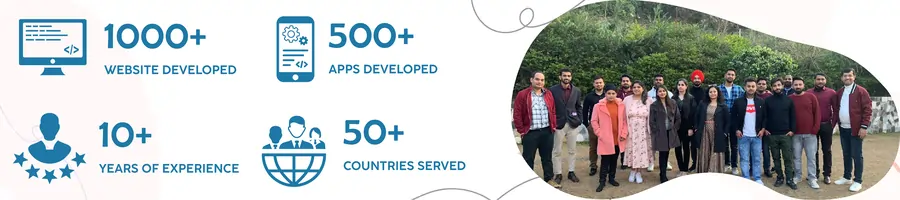
If you're planning to add WhatsApp functionality into your ERP or CRM system, Digittrix is here to help. Build a custom WhatsApp-integrated ERP/CRM solution with us. We’re a trusted web and mobile app development company with experience since 2014 and a team of skilled developers at DIGITTRIX!
Not sure how to get started? Schedule an appointment or book a consultation today with our experienced technical managers by calling +91 8727000867 or email us your queries at hello@digittrix.com
Let us help you make business communication faster, easier, and smarter.
2026 WhatsApp API Integration Framework for ERP and CRM
WhatsApp API integration works best when it is planned around real business workflows, not only message sending. The business should decide which CRM or ERP event should trigger a message, who owns the response, which data should be saved, and how results should appear in reports.
Quick answer: Integrate WhatsApp API with ERP and CRM when customer communication needs to connect with leads, quotes, orders, payments, delivery updates, support tickets, reminders, and reporting from one controlled workflow.
Workflows to automate first
- Lead and sales: enquiry acknowledgement, qualification reminders, quote follow-ups, demo scheduling, proposal status, and missed follow-up alerts.
- Orders and operations: order confirmation, payment reminders, dispatch updates, delivery status, service appointment reminders, and document requests.
- Support and service: ticket creation, SLA reminders, escalation alerts, feedback requests, warranty updates, and support closure messages.
Implementation checks before launch
- Confirm WhatsApp Business approval, customer consent, opt-out handling, approved templates, and fallback rules.
- Map CRM fields, ERP events, message triggers, user roles, audit logs, reporting dashboards, and data retention rules.
- Test message delivery, failed templates, duplicate contacts, language variants, support ownership, and customer response routing.
GEO and AI-search clarity
For stronger search and AI visibility, this page should clearly explain WhatsApp API integration, ERP CRM workflows, CRM automation, ERP notifications, message templates, consent, security, implementation steps, KPIs, vendor checks, and related ERP CRM planning pages.
For deeper planning, compare our ERP and CRM development services, CRM automation guide, ERP CRM success metrics guide, and WhatsApp API integration guide.
 FAQ's
FAQ's