 +91-8727000867
 +64 22 003 5555


Search Engine Optimization (SEO) is a critical component of digital marketing, significantly influencing website visibility and user engagement. Recent data underscores its importance in driving organic traffic and achieving marketing objectives.
Highlights
- Google processes over 8.3 billion searches daily, highlighting the vast potential audience reachable through effective SEO strategies. (source: explodingtopics)
- 91% of organizations reported that SEO positively impacted their website performance and marketing goals in 2024. (source: conductor)
- Organic search accounts for 53% of website traffic, emphasizing the value of SEO in attracting visitors. (source: explodingtopics)
- 75% of users never go past the first page of search results, underscoring the necessity of high search rankings. (source: aioseo)

Co-Founder
Vandana Abrol 
An enthusiastic developer and skilled business management expert with over a decade of experience in the field
Businesses operating in the digital era need search engine ranking success to attract potential customers through their websites. Wherever your customers search from, mastering Search Engine Optimization (SEO) is essential for growing your business and improving qualified organic visibility. This article will explain the SEO basics every business needs to understand and why hiring SEO professionals or experts is crucial for success.
What is SEO?
Search Engine Optimization represents a system that helps optimize websites so they retrieve better positions on search engine results pages (SERPs) for defined keywords. Search Engine Optimization enables your site to appear prominently during customer queries about your business sector.
Search engines require SEO to analyse what your website contains so they can present it to suitable users. Better website SEO helps boost the chance of attracting suitable website visitors who can generate more sales and increase brand visibility for business growth.
Why SEO is Important for Your Business
SEO is not just about attracting more visitors to your site; it’s about attracting the right visitors. Here’s why SEO is crucial for businesses of all sizes, whether you serve one market or multiple countries:
- Increased Visibility: When your website ranks higher on search engines, more people will see it. When your website appears on search results page one it leads to substantially greater click rates and website visits.
- Cost-Effective Marketing: SEO provides cost-effective marketing benefits when compared with paid advertising since it delivers both affordability and sustained marketing value to businesses. The amount of time you dedicate to SEO implementation results in significant growth of your investment returns over time.
- Credibility and Trust: Websites that appear at the top of search results are often perceived as more trustworthy by users. SEO helps build credibility and trust in your brand, which can ultimately lead to better conversion rates.
- Improved User Experience: SEO delivers better search experiences to users through its improved website interface as well as helping search engines understand your content. By optimizing your site’s structure, navigation, and content, you improve the user experience, which can lower bounce rates and increase engagement.
Want to stay ahead in SEO? Check Digittrix's voice search optimization guide and future-proof your website!
SEO Basics Plan for Search Console, CTR and GEO in 2026
SEO basics in 2026 should be practical, measurable, and tied to the pages that already have search demand. Before creating more content, review which URLs Google already shows, where CTR is weak, and which pages need technical or content improvements.
Quick answer: Every business should start SEO with Google Search Console, keyword intent, clean title tags, helpful content, internal links, technical SEO, Core Web Vitals, schema, CTR improvements, and GEO-ready answers that make the page easier for Google and AI search systems to understand.
What to check first
- Search Console data: Review clicks, impressions, CTR, average position, indexing status, sitemap coverage, and Core Web Vitals groups.
- CTR opportunities: Improve pages with high impressions but low clicks by rewriting titles, meta descriptions, H1s, and first-screen answers.
- On-page SEO: Match headings, copy, FAQs, image alt text, internal links, and schema to the real search intent.
- Technical SEO: Check canonicals, redirects, broken links, crawlability, mobile UX, page speed, structured data, and duplicate content.
- GEO readiness: Add clear entities, direct answers, updated dates, proof points, service context, and helpful internal links.
How to measure progress
Measure clicks, impressions, CTR, average position, indexed pages, Core Web Vitals, conversions, form submissions, phone clicks, assisted leads, and lead quality. Rankings matter, but SEO should also create useful traffic and business enquiries.
For deeper planning, connect this basics guide with quick SEO wins, SEO strategy 2026, AI search optimization, and digital marketing and GEO services.
Key Elements of SEO Every Business Needs to Know
To make the most of your SEO efforts, you need to understand the key elements that affect your website’s rankings. Here’s a breakdown of the essential aspects of SEO:
Keyword Research
SEO starts with performing keyword research. The first step consists of finding and selecting the search terms that users apply when they seek items comparable to your business offerings.
You must begin your keyword process by generating possible terms before you utilize programs like Google Keyword Planner or Ahrefs to locate high-demand and minimal-competition keywords. Your content should include the identified keywords that appear both strategically and naturally within page titles, headings and descriptions. Using keywords more than necessary produces negative effects on SEO performance.
On-Page SEO
On-page SEO refers to the optimizations you make directly on your website. Here are some key on-page SEO elements to focus on:
- Title Tags and Meta Descriptions: Make sure that every page on your site has a unique title and meta description that include relevant keywords. These factors provide context to both search engines and users.
- Headings and Subheadings: Use headings (H1, H2, H3) to structure your content and improve readability. Include your target keywords in these headings to help search engines understand your content.
- URL Structure: Keep your URLs clean and simple, and make sure they include keywords. For example, www.example.com/seo-services is more effective than www.example.com/page1.
- Internal Linking: Linking to other pages within your website helps search engines crawl and index your site more effectively. It also encourages visitors to explore more of your content, increasing engagement.
Off-Page SEO
Off-page SEO focuses on building your website’s reputation and authority outside of your site. A key factor in off-page SEO is link building.
- Backlinks: High-quality backlinks from reputable websites signal to search engines that your website is authoritative. Focus on earning backlinks from websites in your industry or niche.
- Social Media: While social signals do not directly affect search rankings, sharing your content on social media platforms can drive traffic to your site, leading to more potential backlinks.
Content Quality
The success of SEO heavily depends on content. The search engines place websites at the top based on the presence of meaningful content that matches user intent and holds their attention. Providing superior content enables you to secure appropriate keyword positions while delivering positive user experiences to your visitors.
Your content should reply to your audience's inquiries while resolving their challenges. Search engines reward websites with new content because fresh updates help them achieve higher search results.
Mobile Optimization
Since mobile device usage for internet browsing has increased Google now evaluates websites through their mobile versions because of mobile-first indexing. Failure to provide your website with mobile-friendly characteristics may negatively impact your search engine rankings.
A mobile-friendly interface is necessary because you must confirm your website functions optimally across all devices with an intuitive navigation system.
Page Speed
Speedy page loading has become a leading assessment element for search engine rankings. Poor page loading creates a negative user experience while causing users to exit the site which impacts both user experience and SEO performance. Google PageSpeed Insights is a tool that can help you assess your website speed which you should use to optimize your performance for rapid loading times.
How to Get Started with SEO
Now that you understand the basics, here’s how you can start optimizing your website for search engines:
- Audit Your Website: Begin by assessing your website’s current SEO performance. Look for areas of improvement, such as slow page load times, missing meta tags, or poor keyword usage.
- Set SEO Goals: Define your SEO objectives, whether it’s increasing organic traffic, improving search rankings, or generating more leads.
- Create Quality Content: Develop informative, engaging, and optimized content. Regularly update your website with fresh blog posts, articles, and product descriptions.
- Monitor Your Results: Use tools like Google Analytics and Google Search Console to track your SEO performance. These tools provide insights into your website’s traffic, rankings, and overall SEO health.
Why You Should Hire SEO Experts or Professionals
SEO can be complex and time-consuming. Hiring SEO experts or professionals can help you achieve faster and better results. Here’s why working with SEO professionals is beneficial:
- Expert Knowledge and Experience: SEO experts have the skills and experience needed to develop and execute effective SEO strategies. They stay up-to-date with the latest trends and best practices.
- Time-Saving: SEO requires ongoing effort. Hiring professionals allows you to focus on your core business activities while they handle your SEO strategy.
- Better Results: SEO professionals use proven strategies and tools to achieve better rankings, driving more qualified traffic to your website.
- Customized SEO Strategy: Professionals can tailor their approach to your business goals, priority markets, Search Console data, technical issues, and conversion path.
Choosing the Right SEO and GEO Partner
When looking for SEO support, choose a partner that can connect technical SEO, content quality, Search Console performance, CTR improvement, GEO readiness, and business outcomes. Here is how to find the right SEO agency:
- Check Their Portfolio: A good SEO company should have a solid portfolio of past work and proven results in your industry.
- Client Testimonials: Look for reviews or testimonials from previous clients. Positive feedback indicates the company’s credibility and success.
- Ask About Their Methods: Make sure the company uses ethical SEO practices. Avoid companies that promise instant results or engage in black-hat techniques like keyword stuffing or link farming.
- Consultation: Many SEO companies offer free consultations. Take advantage of this opportunity to discuss your goals and determine if they’re a good fit for your business.
Final Words
Every business operating online requires SEO to build a successful online marketing strategy. The combination of basic SEO skills in keyword research and on-page optimization and off-page strategies and content creation allows you to enhance your website's search results and increase visitor numbers to your site. These SEO techniques work best when they are tied to Search Console data, clear search intent, strong content quality, technical health, and measurable lead growth.
Hiring SEO professionals or experts can help instant results while saving valuable time. By partnering with the right SEO and GEO team, you can improve search visibility, increase qualified traffic, and make important pages easier for both Google and AI-led search systems to understand. Your business operation can keep its attention on core activities by delegating online marketing duties to SEO professionals.
Ensure SEO Success for Your Business with Digittrix’s Expert Services
SEO is a vital part of any business’s digital strategy. Whether you're launching a new website or improving an existing one, understanding and implementing SEO best practices is essential for driving organic traffic and improving your online visibility. At Digittrix, we specialize in helping businesses achieve SEO success with customized strategies designed to boost search engine rankings and grow your customer base.
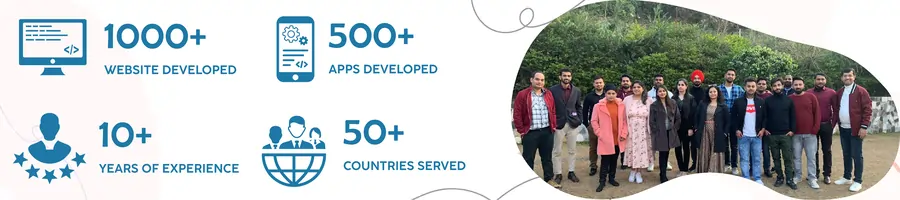
With experience since 2014 in the digital marketing industry, our team of SEO experts is equipped with the knowledge and tools to help your business succeed in the highly competitive digital landscape. From conducting thorough keyword research to optimizing your website's content and technical aspects, we ensure that every element of your SEO strategy aligns with your business goals.
Looking for expert help to manage your SEO strategy? Digittrix provides SEO and GEO support tailored to your business goals, search data, and priority markets. Start with a Search Console review, CTR audit, technical SEO check, and GEO readiness plan.
Let Digittrix help you make SEO a crucial part of your business growth and long-term success.
 FAQ's
FAQ's