 +91-8727000867
 +64 22 003 5555


Highlights
- AI fitness apps can improve workout personalization by up to 40% using user data.
- Smart fitness tracking can increase workout consistency by nearly 30% for users.
- AI-powered coaching can reduce workout planning time by up to 50% for users.

Co-Founder
Harsh Abrol 
Since 2014, Digittrix has helped companies optimise digital products for stronger conversions.
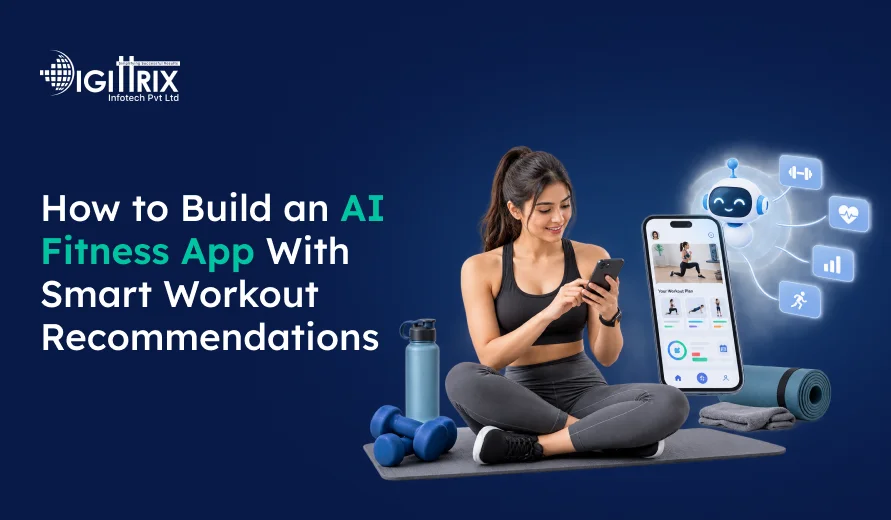
Fitness apps have changed the way people plan workouts, track activity, follow nutrition goals, and stay connected with trainers. A basic app can help users record workouts or count daily steps, but users now expect more personal experiences. This is where AI-based recommendations can add value.
If you are planning how to build an AI fitness app, the first step is to understand what users actually need from the product. An AI fitness app can use information such as fitness goals, workout history, preferences, and activity data to suggest suitable workouts and fitness content. The app can also allow trainers to review and manage these recommendations where required.
Building such an app requires more than adding an AI feature. The product needs a clear user journey, useful workout content, activity tracking, secure data handling, wearable integrations, and a well-planned development process.
Looking to build a fitness app? Check Digittrix's Fitness App Development insights to create engaging digital fitness solutions!
What Is an AI Fitness App?
An AI fitness app is a mobile or web application that can use user information and activity data to provide more relevant fitness suggestions. Instead of giving every user the same workout plan, the app can consider factors such as selected goals, previous workouts, preferences, and logged activity.
For example, a user may select weight management, strength training, or general fitness as a goal. After the user records workouts and activity, the app can use this information to suggest suitable exercises or workout plans.
The recommendations should have a clear purpose. Businesses should decide what information the system will use, what type of suggestions it will provide, and when a trainer or coach should review the recommendations.
This makes planning an important part of fitness app development.
 Build an AI-Powered Fitness App for Your Business
Planning an AI fitness app? Talk to Digittrix experts about smart workout recommendations, tracking, wearables, and coaching features.
How to Build an AI Fitness App Step by Step
1. Define the Purpose of the App
Before development begins, decide what the app is expected to do.
An app can focus on guided workouts, activity tracking, nutrition, live coaching, wearable data, wellness, or a combination of these areas. Digittrix's fitness platform approach supports different product formats, including workout and training apps, activity tracking apps, nutrition apps, live coaching apps, wearable-connected apps, social fitness apps, wellness apps, and AI-powered fitness apps.
For an AI fitness product, define the recommendation feature early. For example, the first version could suggest workouts based on a user's goals and logged activity instead of trying to automate every part of the fitness journey.
A focused first release is easier to test and improve.
2. Understand Your Users
The app should be designed around the people who will use it.
A gym member may want workout plans, progress records, class bookings, and reminders. A personal trainer may need client management, workout planning, progress reviews, and communication tools. A fitness business may also need membership management, payments, reporting, and content management.
Understanding these different needs helps create clear user roles.
A well-planned custom fitness app can provide separate experiences for members, trainers, and administrators. This prevents the app from becoming difficult to use because every user sees only the functions relevant to their role.
3. Plan the Workout Recommendation System
Smart workout recommendations are one of the main parts of an AI fitness app.
The system can use agreed inputs such as:
- Fitness goals
- Workout history
- Activity records
- User preferences
- Training frequency
- Selected fitness programmes
- Available workout content
Based on these inputs, the app can suggest workouts or fitness content that matches the user's selected goals and activity.
For example, someone who regularly completes beginner strength workouts may receive suggestions for the next suitable workout. A user who has selected a particular training goal can receive recommendations based on the programme available in the app.
The recommendation system should also have clear limits. Users should be able to understand and control the suggestions they receive. Where trainers are involved, the app can provide coach controls for reviewing or managing recommendations.
4. Create the Right Fitness App Features
The success of an app depends heavily on the features included in the first release. The right fitness app features should support the complete user journey instead of simply adding a long list of functions.
Important features can include user profiles, fitness goals, workout plans, exercise videos, activity dashboards, progress records, nutrition tracking, class bookings, reminders, trainer communication, and community features.
For trainers, features can include client management, custom workout programmes, live session schedules, progress reviews, communication, and a content library.
Administrators can manage accounts, permissions, workout content, memberships, payments, reports, support requests, and integrations.
The exact feature set should depend on the business model and the goals of the first release.
 7-Day Risk Free Start
Start Your 7-Day Free Trial With Proven Experts
If this article sparked a project idea, start with a dedicated expert for 7 days at no risk. Continue at just $10/Hour if the collaboration is the right fit for your business.

Dedicated Expert Access
Work directly with a specialist aligned to your project goals and timeline.

Direct Chat with Your Team
Collaborate in real-time and get instant support.

Screenshots & Reports
Receive regular reports to track progress transparently.

No Contracts
No commitments. Cancel anytime, no hassle.

Limited Slots Available This Week!
Kickstart Your Project With Zero Risk And Total Confidence.


& Growing Brands
Add Activity and Workout Tracking
Tracking is an important part of a fitness product because users need a way to see their progress.
A fitness tracking app can allow users to record steps, distance, calories, workouts, and other supported activity data. Clear dashboards can help users review their daily activity, workout history, and performance trends.
A separate workout tracking app experience can focus on completed exercises, training schedules, workout history, and progress records.
This information can also support the recommendation system. When users consistently record their activities, the app has more information to work with when generating agreed workout suggestions.
However, businesses should not assume that every device provides the same information. Supported devices, permissions, synchronization frequency, and missing data should be considered during development.
Connect Wearables and Fitness Trackers
Many fitness users already use smartwatches and fitness trackers. Connecting these devices can reduce manual data entry and give users a more connected experience.
A fitness app can integrate supported wearable devices and fitness data services through available APIs. Depending on the device and platform, the app may receive information such as steps, activity records, distance, or workout data.
Users should also have control over permissions. The app should clearly explain what data is being accessed and allow users to manage those permissions.
The development team should check API availability, supported devices, data access, synchronization behaviour, and possible service limitations before promising a specific tracking experience.
Include Nutrition and Wellness Features
Fitness does not always stop at workouts. Many users also want to track meals, nutrition goals, yoga, meditation, or daily habits.
Nutrition features can allow users to log food, view meal plans, and follow nutrition goals included within the product scope. Wellness features can support guided sessions, habit tracking, meditation content, and reminders.
These features can be connected with the user's overall fitness journey.
For example, the app can keep workout activity, nutrition records, and fitness goals within the same account. This gives users one place to manage their routine rather than using several unrelated apps.
Add Trainer and Coaching Support
AI recommendations do not have to replace trainers. Instead, they can work alongside trainer-led fitness programmes.
Trainers can create workout plans, manage clients, review progress, schedule live sessions, and communicate with members through the app.
A fitness platform can also support virtual sessions, trainer messaging, bookings, and membership plans. This is useful for gyms, personal trainers, fitness businesses, wellness brands, and fitness startups.
For an AI-based product, trainer controls are especially useful when recommendations need human review. The app can allow trainers to manage workout content and oversee the fitness experience.
Choose the Right Technology
Technology choices should be based on the features and platforms required for the product.
For mobile development, businesses can consider native or cross-platform technologies depending on their requirements. The Digittrix fitness development page lists options such as React, Flutter, Swift, and Kotlin for the member experience. Backend options include Node.js, PHP, Laravel, Python, and CodeIgniter.
The data layer can use technologies such as MySQL, MongoDB, PostgreSQL, Firebase, or MariaDB. Cloud platforms and delivery tools can also be selected according to hosting, storage, video, and expected usage requirements.
There is no single technology stack that is right for every fitness app. The selected stack should support the required platforms, integrations, data, performance, and future updates.
Protect Fitness Data and User Privacy
Fitness apps handle personal account and activity information, so privacy should be considered from the beginning.
During development, businesses should decide what data is collected, who can access it, how permissions work, and how users can delete or manage their information.
Role-based access can help separate member, trainer, and administrator permissions. The app should also account for data retention, account deletion, data export, third-party data flows, and integration access where applicable.
AI features also require clear rules. The project should define which data can be used, which service or provider is involved, how recommendations are evaluated, and what happens if required data is missing.
AI recommendations should support the agreed fitness experience. Medical decisions require a separate clinical scope and should not be treated as ordinary fitness recommendations.
Build an AI-Powered Fitness App for Your Business
Planning an AI fitness app? Talk to Digittrix experts about smart workout recommendations, tracking, wearables, and coaching features.
Follow a Clear Development Process
A structured process can make fitness app development services easier to manage.
The first stage is discovery and scope. This is where the business defines user journeys, important features, launch platforms, integrations, and the requirements for the first release.
Next comes UI/UX design. Workout screens, onboarding, progress dashboards, booking flows, and administration screens can be planned before development begins.
The development stage then brings the agreed mobile, web, backend, and integration features together.
Testing is important for workouts, activity synchronization, bookings, permissions, performance, and connected devices. After testing, the team can prepare the app for launch and provide documentation and handover.
Post-launch support can cover maintenance, compatibility updates, performance improvements, and new features.
How Much Does It Cost to Build an AI Fitness App?
The cost depends on the number of features, platforms, integrations, user roles, content requirements, and AI functionality.
Digittrix currently lists an indicative fitness app MVP starting at USD $1,499, advanced development at USD 1,500–2,499, and advanced development with AI integration from USD $2,499+. The final cost depends on the agreed scope, platforms, integrations, content, and other project requirements.
An AI fitness app may require additional work because the recommendation feature needs defined data inputs, outputs, provider requirements, evaluation criteria, usage limits, and fallback behaviour.
It is therefore better to define the AI feature clearly before estimating its final development cost.
How Long Does It Take to Build an AI Fitness App?
Development time depends on the size of the product.
A focused fitness MVP can have an indicative development period of around 2–3 months. Advanced workflows may take around 4–6 months, while AI integration requires a separate estimate after the data, provider, and evaluation requirements have been defined.
The timeline can also change based on content readiness, third-party integrations, device testing, platform requirements, and app-store review.
Starting with a focused first release can help businesses launch the core fitness experience before adding more advanced functions.
Want to stay updated on fitness technology? Check Digittrix's Top Tech Trends in Fitness App Development to explore the latest innovations!
Final Words
Building an AI fitness app requires careful planning of the complete fitness journey. The goal should not be to add AI simply because it is a popular technology. The recommendation feature should solve a clear user problem and work with the rest of the app.
A strong product can bring together workout plans, activity tracking, nutrition, coaching, wearable integrations, progress dashboards, reminders, and personalized recommendations. A custom fitness app can also provide separate tools for members, trainers, and administrators.
Whether you are planning a workout product, a fitness tracking platform, or a larger health and wellness application, start with the core user journey. Define the data the app needs, select the right fitness app features, plan integrations carefully, and decide how AI recommendations will be reviewed and improved.
With the right scope and development process, an AI-powered fitness product can provide users with a more personal way to plan workouts, record activity, and stay connected with their fitness goals.
Build a Smarter Fitness App With Digittrix
Building a successful fitness platform requires more than workout videos and activity tracking. A well-planned fitness app development project can bring together personalised workouts, fitness tracking, workout plans, nutrition features, wearable integrations, progress monitoring, and smart recommendations in one application.
At Digittrix, we provide fitness app development services for businesses looking to build customised fitness solutions. Whether you need a custom fitness app, workout app development, or a complete health and fitness app, the application can be planned around your target users, business model, and required features.
From fitness app features such as user profiles, workout plans, activity tracking, trainer support, and progress dashboards to AI-based workout recommendations and wearable integrations, we can help turn your fitness app idea into a functional digital product.
If you are planning a fitness tracking app, workout tracking app, or AI-powered fitness platform, contact Digittrix at +91 8727000867 or digittrix@gmail.com to discuss your fitness app development requirements.

 FAQ's
FAQ's