 +91-8727000867
 +64 22 003 5555


Highlights
- 71% of users prefer AI beauty apps for personalised skincare suggestions.
- AR beauty tools can increase cosmetic conversion rates by nearly 90%.
- 63% of young consumers have used virtual makeup try-on technology.

Co-Founder
Harsh Abrol 
Since 2014, Digittrix has helped companies optimise digital products for stronger conversions.
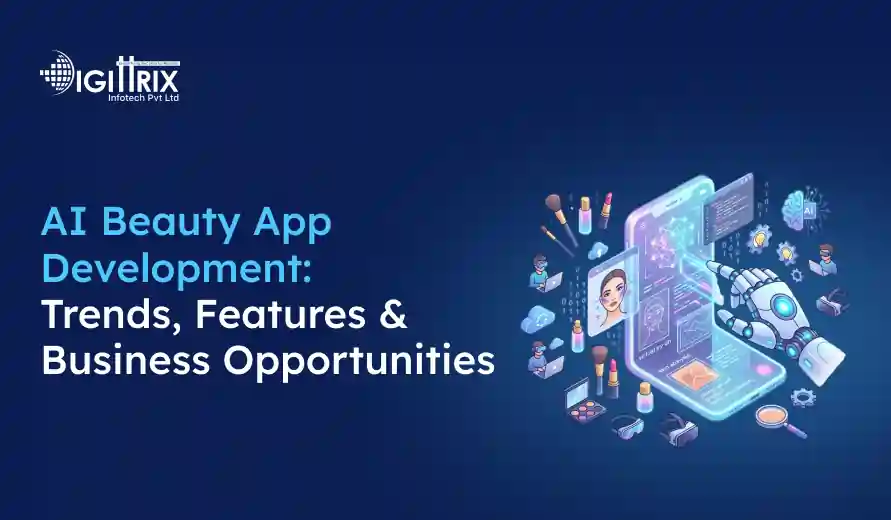
The beauty and skincare industry has evolved rapidly in recent years. People no longer rely solely on salons, cosmetic stores, or beauty consultants for advice. AI Beauty App Development is now helping brands build mobile platforms that offer skincare analysis, makeup testing, and beauty suggestions directly on smartphones. Businesses are also investing heavily in digital beauty platforms because customers prefer personalised services that save time and offer convenience.
Beauty brands, startups, salons, cosmetic companies, and wellness businesses are increasingly entering the mobile app market to meet evolving customer expectations. AI-powered beauty apps are gaining popularity because they blend technology with personal care. These apps can analyse skin texture, recommend products, analyse beauty routines, and even suggest hairstyles or makeup based on facial features.
The growing popularity of smartphones, online shopping, and virtual beauty experiences has fuelled strong demand for AI beauty applications. People want quick beauty consultations without visiting physical stores every time. As a result, many companies are investing in digital beauty solutions to stay competitive and attract modern consumers.
This article explains the major trends, key features, development process, and business opportunities associated with AI beauty app development.
Planning a modern beauty platform? Learn how in-app chat and video consultations by Digittrix can improve user engagement and bookings!
Understanding AI Beauty Apps
AI beauty apps are mobile or web applications that use artificial intelligence to provide beauty and skincare services. These apps collect user information such as skin type, age, tone, preferences, and facial structure. After analysing the data, the application offers beauty recommendations or virtual experiences.
These apps can support many beauty-related activities, including:
- Skin analysis
- Makeup testing
- Hair color simulation
- Product recommendations
- Beauty consultations
- Acne tracking
- Anti-aging suggestions
- Beauty routine management
The beauty industry uses AI because customers expect more personalised experiences. Instead of buying random products, users now prefer beauty suggestions tailored to their exact skin condition and preferences.
Many beauty brands are already using AI in their mobile applications to enhance customer interaction and boost product sales. Virtual try-on features, facial scanning, and beauty prediction tools are increasingly common in the market.
Why AI Beauty App Development Is Growing Fast
Several factors are driving the demand for AI beauty applications worldwide.
Rising Interest in Personalised Beauty
Customers no longer want generic beauty recommendations. They expect skincare and cosmetic products tailored to their individual needs. AI systems help businesses offer customised beauty advice through real-time analysis.
Growth of Online Cosmetic Shopping
Online beauty shopping has become common. Customers want to try out makeup shades or skincare products before buying. AI beauty apps address this need with virtual try-on technology.
Smartphone Usage
Most consumers spend a significant amount of time on mobile devices. Beauty businesses are using apps to reach users directly and provide beauty services anytime.
Social Media Influence
Beauty creators, makeup artists, and influencers regularly promote skincare routines and cosmetics online. This trend has increased interest in beauty applications that offer similar experiences online.
Better Customer Convenience
AI beauty applications reduce the need for in-person consultations. Users can receive beauty suggestions from home without scheduling appointments or visiting stores.
 7-Day Risk Free Start
Start Your 7-Day Free Trial With Proven Experts
If this article sparked a project idea, start with a dedicated expert for 7 days at no risk. Continue at just $10/Hour if the collaboration is the right fit for your business.

Dedicated Expert Access
Work directly with a specialist aligned to your project goals and timeline.

Direct Chat with Your Team
Collaborate in real-time and get instant support.

Screenshots & Reports
Receive regular reports to track progress transparently.

No Contracts
No commitments. Cancel anytime, no hassle.

Limited Slots Available This Week!
Kickstart Your Project With Zero Risk And Total Confidence.


& Growing Brands
Latest Trends in AI Beauty App Development
The beauty app market continues to evolve as new technologies enter the industry. Businesses planning to build beauty applications should understand current trends before starting development.
Virtual Makeup Try-On
Virtual makeup testing is one of the most popular features in beauty apps. Users can try out lipstick shades, foundation colours, eye makeup, and other cosmetics using augmented reality and facial recognition technology.
This feature helps customers make purchasing decisions more confidently because they can see how products may look on their faces before buying.
Many cosmetic companies use virtual try-on systems to reduce product return rates and improve customer satisfaction. Businesses offering virtual makeup app development solutions are witnessing rising demand from cosmetic brands and online beauty stores.
AI Skin Analysis
Skin analysis tools use artificial intelligence and image recognition to assess facial skin conditions. Users upload selfies, and the app checks for acne, dark spots, wrinkles, dryness, redness, and other skin concerns.
After analysis, the app suggests skincare routines or suitable products based on the user's skin condition.
This trend is gaining popularity as consumers prefer skincare routines tailored to their needs. Many businesses are now investing in AI skincare app development to offer digital skin consultations and product recommendations.
Voice-Based Beauty Assistance
Voice-enabled beauty assistants are increasingly common in mobile applications, especially in modern beauty app development solutions. Users can ask questions about skincare, makeup routines, or product usage using voice commands.
This feature enhances user convenience and enables hands-free interactions.
Beauty Recommendation Engines
AI recommendation systems analyse customer behaviour, purchase history, and beauty preferences. Based on this data, the app recommends products likely to align with user interests.
These systems help beauty brands increase customer retention and enhance shopping experiences.
AI Hairstyle Simulation
Hairstyle simulation tools let users try out different hairstyles, cuts, and hair colours digitally. This feature helps customers visualise changes before visiting salons.
Hair salons and beauty studios are using these tools to attract more customers online.
Smart Beauty Tracking
Beauty-tracking systems monitor skincare progress over time. Users can upload daily or weekly images to track improvements in acne, pigmentation, or skin texture.
This feature encourages long-term app usage because users can track visible changes in their beauty routines.
 AI Beauty App Development Services for Growing Brands
From skincare analysis to virtual beauty consultations, Digittrix helps beauty businesses build scalable mobile and web applications.
Key Features in AI Beauty App Development
A successful AI beauty application requires a blend of user-friendly design and intelligent features. Below are key features businesses should consider during development.
User Registration and Profiles
Users should be able to create accounts via email, phone number, or social media platforms. Profiles may store personal preferences, beauty goals, purchase history, and skincare details.
Facial Recognition
Facial recognition technology identifies facial landmarks and structures. This feature supports makeup testing, skin analysis, and hairstyle simulations.
Camera Integration
Beauty apps require camera access for skin scanning, virtual try-ons, and beauty tracking.
AI Skin Scanner
The app should analyse uploaded selfies and provide skin condition reports. The scanner may identify issues such as:
- Acne
- Wrinkles
- Dark circles
- Dry skin
- Pigmentation
- Fine lines
Product Recommendation System
AI systems should recommend skincare or cosmetic products based on user data and analytical results.
AR Makeup Testing
Augmented reality features allow users to test cosmetic products virtually before making purchases. A modern augmented reality beauty app can enhance user interaction by letting customers see products digitally before ordering online.
Appointment Booking
Beauty salons and clinics may integrate appointment scheduling systems so users can book consultations directly in the app, making custom beauty app services more convenient and user-friendly for customers.
Push Notifications
Push notifications remind users of skincare routines, appointments, offers, or product restocks.
Payment Integration
Beauty apps that sell products or services should support secure online payment systems.
Reviews and Ratings
Customers should be able to review beauty products, salons, or skincare routines in the application.
Admin Dashboard
An admin panel helps businesses manage users, product listings, reports, appointments, and app performance metrics.
Launch AI-Powered Beauty App Solutions for Your Brand
Planning to build an AI beauty, skincare, or virtual makeup app? Connect with Digittrix experts for smart beauty app development solutions.
Technologies Used in Beauty App Development Services
Developers use several technologies when building AI beauty applications.
Artificial Intelligence
AI handles data analysis, beauty recommendations, image processing, and predictive analytics.
Machine Learning
Machine learning systems improve app accuracy over time by analysing user behaviour and feedback.
Augmented Reality
AR technology supports virtual makeup trials and hairstyle visualisation, making AI beauty app development more interactive and personalized for users.
Computer Vision
Computer vision enables apps to recognise facial structures, skin texture, and beauty-related details in images.
Cloud Storage
Cloud systems securely store user data, beauty reports, and product information.
Big Data Analysis
Beauty apps process large volumes of customer data to deliver personalised recommendations and shopping suggestions.
Steps to Develop an AI Beauty App
Building an AI beauty app requires planning, research, and technical execution. The following is a common development process.
Market Research
The first step is to understand customer expectations, competitor applications, and industry demand. Businesses should identify their target audience before starting development.
Define Core Features
Companies must decide which services the app will offer. Some businesses focus on skincare analysis, while others prioritise makeup testing or beauty shopping.
UI and UX Design
Beauty applications should have clean layouts and simple navigation. Users prefer apps that are visually appealing and easy to use.
AI Model Development
Developers train AI systems using beauty-related datasets and facial-recognition technologies.
Frontend and Backend Development
The frontend handles user interactions, while the backend manages servers, databases, and application functionality.
Testing Phase
Testing is necessary to identify bugs, improve performance, and verify the accuracy of features.
App Launch
After testing, the app is launched on platforms such as Android and iOS.
Maintenance and Updates
Regular updates help businesses introduce new features, resolve issues, and improve security.
Business Opportunities in AI Beauty App Development
AI beauty applications have strong business potential because the beauty industry continues to grow worldwide.
Cosmetic Brands
Beauty brands use AI apps to sell products online and enhance customer interaction.
Salons and Beauty Clinics
Salons can use AI applications for virtual consultations, appointment booking, and hairstyle simulations. Businesses offering beauty salon app development services are helping salons manage customer bookings and digital beauty experiences more efficiently.
Subscription-Based Beauty Services
Companies can offer monthly skincare plans, premium beauty consultations, or personalised beauty reports via subscription models.
E-commerce Beauty Platforms
Beauty shopping applications can integrate AI recommendations with online cosmetic sales.
Beauty Influencer Platforms
Influencers and makeup artists may launch their own beauty apps to share tutorials, skincare routines, and product recommendations.
Virtual Beauty Consultation Services
Users can connect with skincare experts or makeup artists via video consultations integrated into the app.
White-Label Beauty App Solutions
Development companies can build customisable beauty app solutions for multiple beauty brands. Many firms offering beauty app development services are focusing on skincare apps, salon platforms, and virtual makeup systems for modern beauty businesses.
Revenue Models for AI Beauty Apps
Businesses can generate revenue from AI beauty applications in several ways.
Product Sales
Beauty products can be sold directly via the application.
Subscription Plans
Premium features may require monthly or yearly subscriptions.
In-App Advertising
Beauty brands can advertise products within the application.
Affiliate Marketing
Apps may earn commissions by recommending third-party cosmetics.
Consultation Charges
Professional beauty consultations can be provided as paid services.
Partnership Programs
Beauty clinics, salons, and cosmetic brands may partner with the app to promote services.
Challenges in AI Beauty App Development
Although the market offers many opportunities, businesses should also understand the development challenges.
Data Privacy Concerns
Beauty apps often collect facial images and personal information. Companies must protect user data.
AI Accuracy
Incorrect skin analysis or beauty recommendations may erode customer trust. AI systems require proper training and testing.
High Development Costs
Advanced technologies such as AR, AI, and facial recognition may increase development costs.
Device Compatibility
Beauty apps should run smoothly across different mobile devices and operating systems.
User Trust
Consumers may hesitate to share facial images or personal beauty data. Businesses must clearly communicate their privacy policies.
Frequent Technology Updates
Beauty technology evolves rapidly. Companies need regular updates to stay competitive.
Future of AI Fashion and Beauty Apps
The future of beauty technology looks promising as digital experiences continue to expand worldwide. AI Fashion and Beauty Apps are gaining popularity because users now expect beauty, skincare, and styling services directly on their mobile devices.
Future beauty applications may offer deeper personalisation through advanced skin analysis and predictive beauty systems. Smart mirrors, wearable devices, and AI beauty assistants may also become more common.
Voice interactions, virtual shopping experiences, and personalised skincare subscriptions are likely to grow further in the coming years. Beauty companies that invest early in AI technology may gain stronger market positions as digital beauty services continue to expand.
The convergence of beauty, artificial intelligence, and mobile technology is creating new opportunities for startups and established companies alike. Businesses that prioritise customer convenience, data security, and practical beauty services can build profitable applications in this growing market.
Planning a salon or beauty app? Explore Digittrix’s complete beauty app development cost guide for startups and growing businesses!
Final Words
AI Beauty App Development is transforming how consumers interact with skincare, cosmetics, salons, and beauty services. Features such as virtual makeup testing, skin analysis, hairstyle simulation, and personalised beauty recommendations are increasingly popular worldwide.
The demand for digital beauty services is rising as consumers seek quick, personalised, and convenient experiences on their smartphones. Beauty brands, salons, startups, and e-commerce businesses are investing in AI-powered apps to attract modern customers and drive online sales.
Although development entails challenges such as privacy protection, technology costs, and AI accuracy, the business opportunities remain significant. Companies entering this market with user-friendly features and robust technology can build successful beauty platforms for long-term growth.
AI beauty applications are expected to continue expanding as mobile technology and artificial intelligence advance. Businesses that understand customer expectations and market trends can secure strong positions in the evolving beauty industry.
Smart Digital Beauty Solutions for Modern Brands
Beauty and skincare businesses are rapidly moving to mobile platforms, where users expect personalised recommendations, virtual makeup try-ons, skincare analysis, and online consultations on their smartphones. At Digittrix, we develop AI-powered beauty applications that help brands deliver advanced beauty experiences through modern mobile and web solutions.
With experience since 2014, Digittrix builds beauty apps for startups, salons, cosmetic brands, skincare clinics, wellness companies, and eCommerce businesses. Our solutions include AI skin scanning, AR makeup trials, beauty product recommendations, appointment booking systems, and customer management features across Android, iOS, and web platforms.
Businesses planning to launch beauty technology platforms can also benefit from our 7-day free trial before committing to long-term development support and to dedicated remote teams.
Call +91 8727000867 or email digittrix@gmail.com to discuss your AI beauty app development requirements with Digittrix.

 FAQ's
FAQ's